Goddess Durga Triumph over Negativity
The goddess Durga is one of Hinduism’s most revered deities, celebrated for her unwavering strength and relentless battle against evil forces. In ancient scriptures and modern prayers alike, Durga stands as an enduring symbol of triumph over negativity, illustrating how bravery, wisdom, and devotion can overcome even the darkest of adversities. This article explores how her divine iconography, mythic narratives, and cultural celebrations embody the concept of victory over negativity, inspiring millions to confront personal and societal challenges with courage.
Iconic Symbolism of Goddess Durga’s Weapons
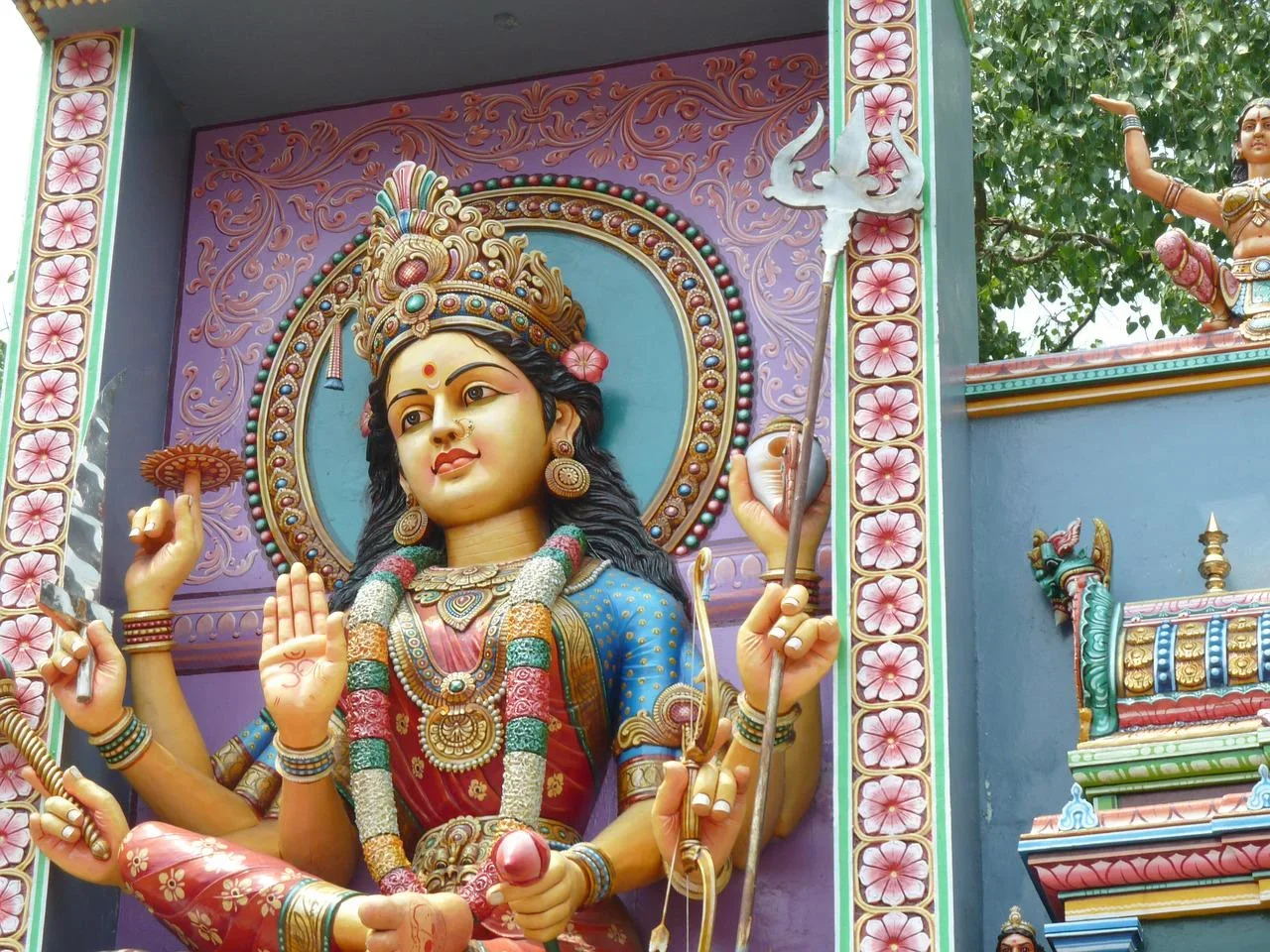
Deep within the artistic representations of Durga, a tapestry of symbols reveals her preparedness to strike negativity. A central lion or tiger serves as her mount, embodying both power and grace. In contrast, the array of weapons she carries—swords, tridents, bows, and mirrors—symbolizes disciplined thought, rightful judgment, and self-reflection. The thunderbolt of wrath, for instance, manifests the force needed to shatter negative influences, while the lotus she often holds illustrates purity blossoming from sacrifice.
Link: Durga on Wikipedia. These visual cues persist across temples, manuscripts, and festivals, reinforcing the goddess’s message that negativity can be overcome by a variety of virtuoso strategies.
Goddess Durga’s Mythological Battles against Chaos
Beyond the myths taught in classroom syllabi, Durga’s battlefield narratives represent more than epic drama; they are allegories for confronting existential threats. Of particular note is her clash with the demon Mahishasura. In this story, Mahishasura, embodying oppressive forces, appears strong, but the goddess’s persistence reflects irreversibly transformative devotion.
- She is created by a coalition of gods (Vishnu, Shiva, Brahma, and others) who seek to restore cosmic order.
- Her weapons illustrate strategic planning: the bow for restraint, the sword for precision, the trident for balance.
- Victory over Mahishasura denotes dismantling systemic barriers (poverty, injustice, disease) that perpetuate hardship.
- Finally, the resulting victory brings the world into a period of enlightenment and societal stability.
Her battle invites viewers to see themselves as agents of transformative change, encouraging active participation in combating negativity wherever it surfaces.
Link: Britannica’s Durga Description.
Temple Worship and Seasonal Festivals as Negotiation with Negativity
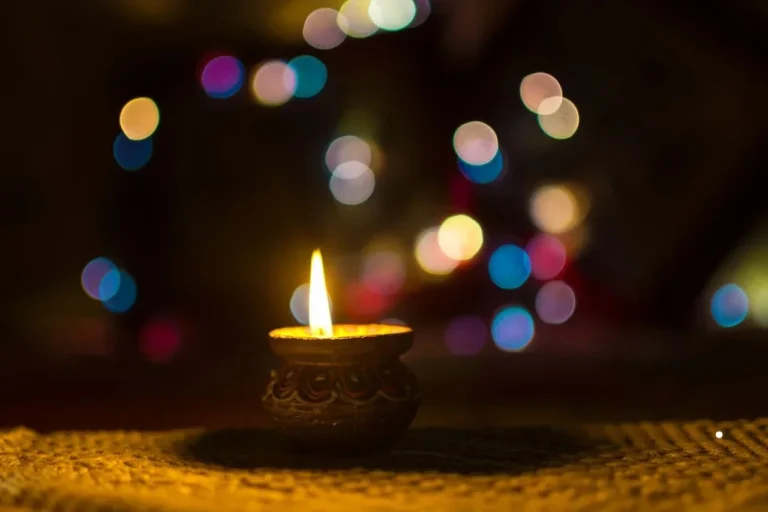
Every year, communities gather at temples for Navaratri, the nine-night festival devoted to Goddess Durga. It is a time when faith and ritual intersect to confront collective anxieties. Devotees perform worship, chant hymns, and offer symbolic items—for instance, lighted lamps—that symbolize the removal of darkness. These rituals reflect how the goddess’s victorious brilliance can intercede in personal and communal struggles, encouraging individuals to confront negativity head-on.
During Dussehra, or Vijayadashami, the festival that follows Navaratri, the goddess’s definitive victory over the demon is reenacted through processions, lion dances, and theatrical performances. These celebratory acts reinforce the notion that positivity, when cascading through community efforts, can unearth a supportive basis for stability. //!
Link: BBC’s Navaratri Coverage.
Goddess Durga’s Cultural Impact on Modern Society
In today’s age, the goddess’s resolute presence remains embedded in modern media, yoga philosophy, and social movements. She serves as a motivational archetype—a “female warrior” figure inspiring confidence in women who face social inequities or personal dilemmas. Many contemporary spiritual scholars reference Durga to illustrate the necessity of inner fortitude, disciplined practice, and community solidarity. For instance, online forums and YouTube channels dedicated to feminist spirituality highlight her story as a counterpoint to patriarchal narratives that often misconstrue femininity as passive or defensive.
Link: Harvard University’s Religion Department.
At the intersection of identity politics and self-care, Durga’s iconography becomes a catalyst for hope. Her mantra, “Om Shanti” (peace), underscores the transformation that occurs when negativity is released through mindful awareness—a practice central to contemporary wellness programs. When harnessed, these spiritual tools empower people worldwide to actively dismantle barriers that birth loneliness, anxiety, or discrimination.
Conclusion: Embracing Victory, Repelling Negativity
The goddess Durga exemplifies a universal truth: resilience against negativity yields hope. By reflecting on her imagery, myths, and rituals, we learn that perseverance, strategic engagement, and communal support transform despair into triumph. Let this enduring legend guide your own journey—whether you seek personal growth, social justice, or spiritual fulfillment. Dive deeper into Durga’s legacy: explore scholarly works, attend your local festival, or simply meditate on her mantra. Empowerment is a collective exercise; we invite you to join the sacred conversation and reign over the darker forces that attempt to encumber our lives.