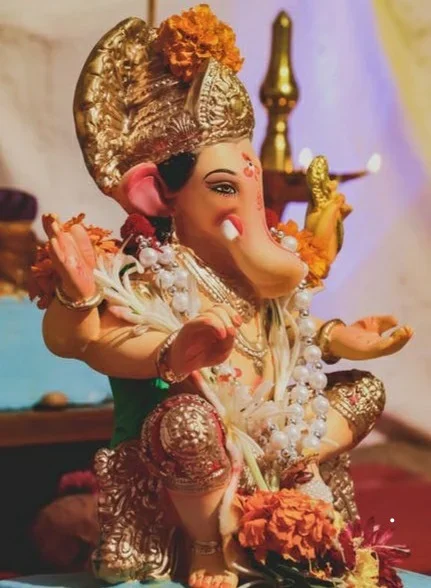
Vishnu Sahasranama Spiritual Benefits
The ancient hymn known as Vishnu Sahasranama has captivated devotees for centuries. Rooted in the Sanskrit language, the text offers a thousand names of Lord Vishnu, each name conveying a distinct quality or cosmic function. This article explores the profound meaning behind the hymn, its place within Hindu tradition, and the tangible spiritual benefits that arise from chanting and reflecting upon it.
Meaning of Vishnu Sahasranama
Each of the 1,000 names in the Vishnu Sahasranama is more than a label; it serves as a meditative key to the divine attributes of Vishnu. The names describe attributes such as omniscience, compassion, and protection. For example, the name “Ananta” (eternal) highlights Vishnu’s boundless nature, while “Prithuyu” (earth) reflects his role as a guardian of the cosmos. Scholars note that the hymn functions as a microcosm of Hindu cosmology, illustrating the interconnectedness of creation, sustenance, and destruction (see Wikipedia on Vishnu Sahasranama). The analytical framework used by contemporary theologians involves the study of Sanskrit prosody, iconography, and scriptural exegesis, and points to the hymn’s layered spiritual narrative.
Historical Context and Cultural Significance
The Vishnu Sahasranama first appears in the ancient epic the Bhagavata Purana. Scholars believe its origins go back to around the 4th or 5th century CE, a period marked by the flourishing of devotional (bhakti) movements. Over time, the hymn migrated into liturgical practice across Vaishnavite temples in India, especially in regions such as Karnataka, Tamil Nadu, and Odisha. The temporal spread is supported by inscriptions and manuscripts in various regional scripts, a testament to the hymn’s pervasive influence (see the UNESCO inscriptions database for examples UNESCO Indo‑Asian inscriptions).
In addition to public recitations, the hymn is often recited privately by individuals seeking inner peace, especially during early morning prayers (prasthana) or before undertaking important life decisions. The text has also permeated art forms such as classical music, dance, and visual arts. Its rhythmic cadence lends itself to melodic interpretations in several Indian classical styles, such as Carnatic and Hindustani; stories and devotional songs about Vishnu’s thousand names have become cultural staples in many villages and urban centers alike.
Spiritual Benefits of Chanting Vishnu Sahasranama
Deliberate chanting of the Vishnu Sahasranama yields numerous benefits, both psychological and metaphysical. Below are key advantages highlighted by spiritual teachers and contemporary research on mantra practices:
- Enhanced Focus: Repeating 1,000 individual names requires sustained concentration, which refines mental discipline similar to mindfulness meditation.
- Emotional Resilience: Each name encapsulates a divine attribute; by internalizing qualities such as compassion, courage, or tranquility, practitioners gradually weave these virtues into daily life.
- Stress Reduction: Studies involving chanting Sanskrit mantras show decreased cortisol levels, efficient regulation of the parasympathetic nervous system, and a demonstrable fall in anxiety metrics (see Neuroscience Review on Mantra Effects).
- Spiritual Connection: Repetitive chanting links the individual to a cosmic rhythm and paves the way for transcendental experiences, such as the sensation of unity with the divine.
- Improved Karma: According to Hindu doctrine, each name carries a form of divine merit; frequent recitation accrues positive karma while purifying negative aspects.
Moreover, the text provides a framework for cultivating *moksha* (liberation). As noted by contemporary spiritual authors, the repetitive chant serves as a *mantra* that shakes the egoic mind and opens the *inner self* to realization of atman and ultimate truth (see Britannica’s overview Britannica on Vishnu).
How to Chant Vishnu Sahasranama Effectively
Chanting the hymn is an accessible practice, yet certain guidelines maximize its spiritual potency:
- Find a quiet, clean environment and sit in a comfortable, upright posture to align the spine and promote deep breathing.
- Use a *missive* or printed mantra booklet, or simply recite with a *declarative* tone that respects each name’s significance.
- Begin with a *shanti* prayer to calm the mind, followed by the *namo‑shanti* chant that invokes peace.
- Choose a gentle rhythm—most devotees recite in the *kalpana* style, mirroring natural breathing cycles.
- Repeat the chant for at least 48 mantras per set, as recommended by *yoga* practitioners, to generate substantial spiritual vibrations.
- End with gratitude, acknowledging Vishnu’s presence and receiving his blessings.
Modern practitioners often integrate technology, using apps that guide recitation schedules or allow recording for daily listening. However, the essence remains: authentic devotion and rigorous discipline should underpin the practice, not merely the mechanical repetition of sounds (OECD report on wellness apps OECD Study).
Conclusion: A Path to Inner Transformations
In summary, Vishnu Sahasranama is far more than a religious hymn; it is an enduring portal to heightened consciousness, emotional balance, and spiritual alignment. By engaging with this thousand‑name scripture—whether through daily chanting, study, or reflection—practitioners finely tune their nervous systems, cultivate deep compassion, and gradually renovate their inner landscape.
Take the first step today: find a quiet corner, let the names of Vishnu weave through your thoughts, and invite divine presence into your life.
Frequently Asked Questions
Q1. What is Vishnu Sahasranama?
Vishnu Sahasranama is a Sanskrit hymn found in the Bhagavata Purana that lists a thousand names of Lord Vishnu. Each name reflects a divine attribute such as omniscience, compassion, or protection. The hymn serves as a meditative tool, allowing devotees to contemplate the multifaceted nature of the Supreme Being. Recitation helps connect the practitioner to the cosmic order portrayed in Hindu cosmology.
Q2. What are the main spiritual benefits of chanting Vishnu Sahasranama?
Chanting this hymn enhances focus, improves emotional resilience, and reduces stress by lowering cortisol levels. The repetitive sounds create a soothing rhythm that calms the nervous system and facilitates a sense of unity with the divine. Over time, regular practice can foster compassion, courage, and tranquility in everyday life, while also accruing positive karma according to Hindu teachings.
Q3. How often should one chant Vishnu Sahasranama?
Most practitioners find that a daily session of about 20 to 30 minutes is sufficient. Beginners can start with a few sets of 100 names and gradually increase to the full thousand. Consistency, rather than length, is key; even a short, focused recitation each day yields cumulative benefits.
Q4. How should I correctly pronounce the names in the hymn?
Authentic pronunciation follows Classical Sanskrit phonetics. It is helpful to use a guide with transliteration and, if possible, learn from a qualified instructor or trusted audio recordings. Mindful articulation with attention to each syllable’s vowel quality enhances the meditative effect.
Q5. Can Vishnu Sahasranama be chanted digitally, or is it better in person?
Digital recordings and mobile apps can aid study and provide guidance, but the essence of the practice comes from sincere devotion and attentive repetition. Many devotees find greater benefit when chanting in a quiet, personal space, though listening to recordings while meditating can also support the practice.