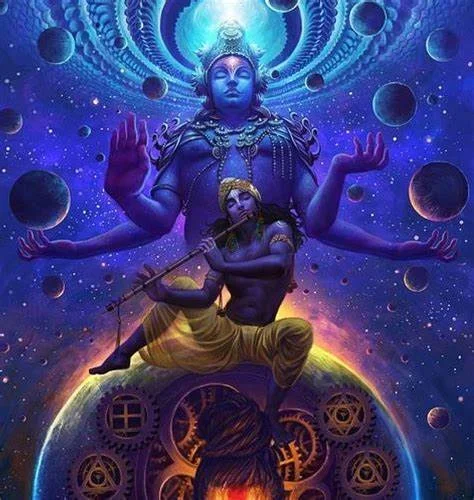
Spiritual Meaning of Vaikuntha
Vaikuntha, the divine realm worshiped in Hindu tradition, is more than an abstract concept of paradise; it embodies the ultimate union between the soul and the supreme consciousness. Scholars such as R. K. Sharma and contemporary practitioners alike emphasize that understanding Vaikuntha requires exploring its mythological roots, ritual significance, and philosophical underpinnings. In this article we will unpack the spiritual meaning of Vaikuntha by examining its place in the *Vishnu* pantheon, the role of avatars, key texts that describe the realm, and practical ways believers connect with this celestial abode.
Vaikuntha in the Scriptural Landscape
Primary sources like the Bhagavata Purana and the Vishnu Purana present Vaikuntha as a realm beyond the material cosmos, described by the sage Narada as a city of eternal light. In these texts, Lord Vishnu is depicted as the preserver whose divine attribute is the ability to transmute all beings into the state of liberation (moksha). The depiction of Vaikuntha frequently includes symbolic elements such as a towering jewel, celestial rivers, and the presence of numerous avatars residing peacefully under the golden sun. The Bhagavata Purana describes Vaikuntha as having four gates guarded by the Gandharvas, welcoming devotees who cultivate pure devotion (bhakti) and righteous action.
- Iconography: The realm is often illustrated with emerald lotus‑shaped streets, violet mountains, and a tower of countless radiant suns that transcend ordinary perception.
- Citizenship: In Vaikuntha, inhabitants are free from suffering; they enjoy timeless bliss and are chronicled as ideal seekers of truth.
- Space and Time: The concept of time is fluid, allowing simultaneous experience of past, present, and future. This symbolic timelessness emphasizes the eternal nature of spiritual attainment.
- Access: Only those whose karma has been absolved and whose heart remains devoted can attain an entry into Vaikuntha, and this is narrated in both epic and liturgical narratives.
Avatars and Their Connection to Vaikuntha
Lord Vishnu’s ten divine incarnations – the Dashavatara – each ascend to Vaikuntha after completing terrestrial missions. The most frequently referenced avatars, such as Krishna and Rama, are celebrated for their deeds that epitomize righteousness and compassion (dharma). Their stories highlight the transformative journey from ignorance to divine communion. In this context, each avatar can be seen as a bridge allowing humans to see themselves reflected in the sacred realm, fostering an aspiration toward transcendence.
Within the *Mahabharata*, Krishna speaks of Vaikuntha as a place where the soul merges with *Tattva*, a fundamental reality. The presence of Vaiṇāṭka’s avatars illustrates how Vaikuntha is accessible to all who practise bhakti, even those within ordinary lives. This proximity between the divine characters and the cosmos encourages devotees to emulate this closeness through self‑discipline and love for the divine.
Ritual Pathways to the Divine Realm
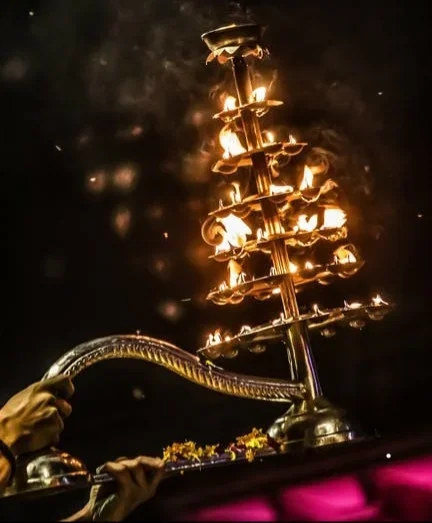
Practitioners engage in diverse rituals to invite the presence of Vaikuntha into their spiritual practice. Such rituals include mantras, puja, and pilgrimages. The most emblematic is the V–narayana feeding ceremony, where devotees offer flower garlands, incense, and food as a symbolic conduit to the divine realm. The sacred sound of the Gayatri mantra is believed to open the heart’s siddhi cave, allowing one to hear the subtle music of Vaikuntha.
Another significant ritual is the *Kumbha Mela*, whereby millions gather and chant the *Om Namo Bhagavate Vasudhaiva Kutumbakam* mantra. This collective chanting “unites devotees in a shared intention” and magnifies the aura of the cosmic field that encompasses Vaikuntha. The practice illustrates how the community’s collective consciousness creates a microclimate mirroring the spiritual warmth of the divine realm.
Key Texts Highlighting the Spiritual Path
The *Shrimad Bhagavatam* remains the most referenced text for those seeking detailed insights into Vaikuntha. It not only delineates Jain’s doctrines but also explains how *bhakti* cults turn mundane life into a gateway to the cosmos. Scholars like A. R. Banerjee have underscored the significance of Vaikuntha’s visual illustrations in temple architecture. The *Vajrabhairava Tantra* teaches that intense meditation on the cosmic realm can lead the practitioner to the state of God‑presence, effectively “entering” Vaikuntha from within.
Modern Interpretation and Personal Spirituality
While Vaikuntha is deeply embedded in ancient scripture, its relevance persists in contemporary spiritual practices. For many, Vaikuntha’s core teachings revolve around detachment from material attachments and embracing the Supreme Reality. Contemporary leaders like Swami Sivaraj, founder of the International Krishna Consciousness Association, encourage individuals to live a life of mindful compassion, thereby realising the “inner Vaikuntha.” The idea that the ultimate destination is an inner state rather than a distant place aligns with Advaita Vedanta perspectives presented in the Upanishads.
Modern spirituality interprets Vaikuntha as symbolic, adopting the notion that each person’s heart geometry holds the potential for divine bliss. Meditation, mindful yoga, and loving‑kindness (metta) are practical tools that aspirants use to transform their consciousness into a “world that is not limited by space.” Thus, in today’s terms, Vaikuntha becomes a living reminder that the divine is accessible through inner evolution.
Concrete Steps for the Devotee
For those who wish to realise the spiritual meaning of Vaikuntha, the journey can begin with the following actionable steps:
- Study sacred texts: Read the *Bhagavata Purana* and *Vishnu Purana* to internalise the narratives that describe the kingdom’s attributes.
- Practice daily bhakti: Chant names of Vishnu (e.g., Ananta, Krishna, Rama) to align your heart with the divine melody of Vaikuntha.
- Engage in community rituals: Participate in local or large‑scale pujas or *Tirumanjal* gatherings to experience the collective consciousness.
- Adopt seva (selfless service): Offer your actions to the divine; it acts as a bridge to the spiritual realm.
- Contemplate the cosmos: Visualization meditations that envisage streets of sunlight and serene pearl‑shimmered beings can deepen the sense of the intangible realm.
These steps mirror ancient practices yet are contextualised for modern lifestyles. By incorporating them, individuals can gradually dissolve the barriers between mundane existence and the perceived heavens of Vaikuntha.
Conclusion & Call‑to‑Action
The spiritual meaning of Vaikuntha represents more than a mythical paradise; it is a living framework guiding devotees towards the ultimate union with the Supreme. By absorbing its scriptural teachings, practicing bhakti, and engaging in mindful devotion, individuals can begin to experience the celestial realm within their hearts. Embrace the knowledge, walk the path, and let the divine light of Vaikuntha transform your life. Ready to deepen your journey? Subscribe now for weekly insights into sacred teachings and daily practices that illuminate your path to divine bliss.
Further Reading
- Wikipedia – Valmiki – explores the ancient poet’s contributions to Vaikuntha lore.
- Wikipedia – Vishnu – a comprehensive view of the Preserver and his numerous avatars.
- Wikipedia – Bhagavata Purana – a primary source detailing Vaikuntha’s attributes.
- Britannica – Vishnu – academic analysis of Vishnu’s role within Vaikuntha.
Frequently Asked Questions
Q1. What is Vaikuntha in Hindu belief?
Vaikuntha is considered the eternal, divine abode of Lord Vishnu, described as a shimmering celestial city beyond the material cosmos. It represents the ultimate union of the soul with supreme consciousness, where beings experience timeless bliss free from suffering. Mythological texts portray its radiant streets, golden suns, and serene rivers as symbols of divine purity.
Q2. How can one access Vaikuntha?
Access to Vaikuntha is attained through bhakti, or dedicated devotion, and righteous actions that purify the heart. Practitioners engage in rituals such as puja, chanting, and meditation to invite divine presence. Consistent practice cleanses karma, enabling a soul to transcend worldly attachments and approach the divine realm.
Q3. What role do avatars play in Vaikuntha?
The Dashavatara, Vishnu’s ten incarnations, ascend to Vaikuntha after completing earthly duties, illustrating the bridge between material missions and divine communion. Their stories emphasize moral virtues and compassion, guiding devotees toward the ultimate goal of liberation in Vaikuntha. Each avatar serves as a model, showing that devoted action leads to divine union.
Q4. What rituals help devotees connect with Vaikuntha?
Key rituals include chanting the Gayatri mantra, participating in the Kumbha Mela, and performing the V–Narayan feeding ceremony. These practices create a sacred atmosphere where collective devotion mirrors the spiritual warmth described in Vaikuntha. Regular puja and mindful meditation also sustain a continuous connection with the celestial realm.
Q5. In modern times, how is Vaikuntha interpreted?
Contemporary interpretations focus on Vaikuntha as an inner state of bliss rather than a distant place. Modern leaders encourage mindful compassion, meditation, and selfless service as means to realize “inner Vaikuntha.” This aligns with Advaita Vedanta’s view that ultimate liberation is an attainable mental realization.