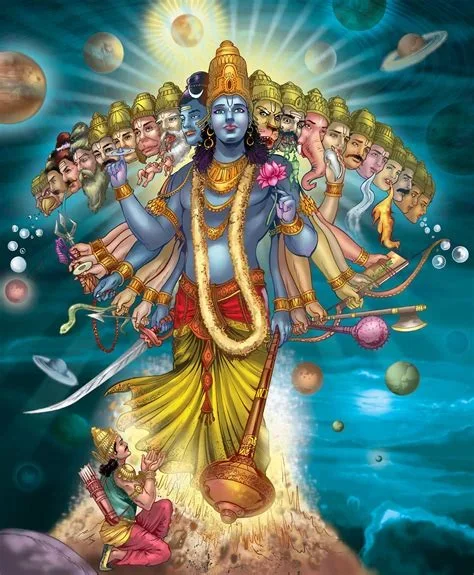
Shankha Chakra Gada Padma Symbolism
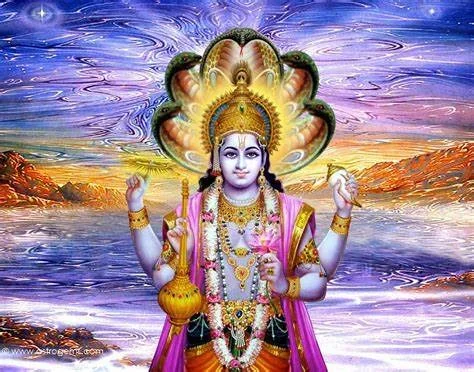
When we turn our gaze to the tapestry of Hindu symbolism, four bold icons immediately emerge: the Shankha conch, the Chakra disc, the Gada mace, and the Padma lotus. These symbols, woven into festivals, rituals, and everyday life, are more than mere ornaments; they embody core cosmic principles and protective energies that echo ancient Indian mythology. Understanding their individual and collective meanings unlocks deeper insights into spiritual practice, cultural identity, and the harmonious balance that defines Hindu philosophy.
Shankha: The Conch’s Sacred Voice
The Shankha, or conch shell, is a sonic talisman that has resonated in temples and homes for millennia. Its resonant call is believed to drive away negative forces and herald divine presence. Historically, disciples of the sage Vasistha practiced the Shankha as a focal point for meditation, using its vibrations to synchronize breath with the rhythm of the universe (see Shankha on Wikipedia). In contemporary times, the conch’s image adorns flags of many Indian states, symbolizing prosperity and resilience.
Key Attributes:
- Purity – Many traditions consider the conch’s surface immaculate, beyond the reach of dirt.
- Power – A conch’s sound exerts a protective barrier against evil spirits.
- Continuity – The shell’s spiral represents the ongoing cycle of life.
- Purifier – Ritual chants performed with a Shankha cleanse both space and soul.
When integrated into daily puja, the Shankha becomes a tangible reminder that sacred rhythm guides human actions toward harmony, echoing the ancient principle of kalachakra—the wheel of time.
Chakra: The Disc of Cosmic Order
The Chakra is more than a symbol; it is a cosmic shield. Often depicted as a spinning wheel in the foreheads of deities, the Chakra symbolizes the perpetual motion of the cosmos and the protective judgment of a higher divine order. In the famous “Chakra Deity” known as Mahavishnu, the weapon carries the force of destruction yet reveals the path toward liberation (refer to Chakra on Wikipedia).
In Yoga philosophy, the term “chakras” denotes subtle energy centres along the spine, reinforcing the idea that balance within correlates with balance in the world. The weapon’s spin mirrors a metaphysical cycle—just as the breath cycles, so does the Katte of change. Schools of Vedic astrology regard the Chakra as a sartorial reminder that every cosmic ray reflects an earthly chance for self-improvement.
Gada: The Mace of Mahishasura Mardini
While stone or metal, the Gada’s thunderous presence embodies strength and moral fortitude. It was wielded by the goddess Durga—known also as Mahishasura Mardini—to vanquish the monstrous demon Mahishasura. In that myth, the mace proved that courage need not be flamboyant; it can be a steady, grounded force that rumbles through chaos (learn more on Gada on Wikipedia).
Within the household, a brass Gada often sits beside the main deity’s altar, reminding practitioners that ethical leadership relies on both intellect and strength. The mace’s bilateral symmetry whispers about equilibrium—where the world requires both destructive clarity to purge stagnation and constructive resilience to affirm life.
Padma: The Lotus of Divine Purity
The Padma lotus, aside from its sheer beauty, is the gateway between darkness and light. In Hindu mythology, deities such as Lakshmi and Saraswati appear emerging from the Lotus’s petal, indicating that true divinity arises cleanly out of the murky waters of human desire. The Padma sits at the center of many mandalas, reinforcing the idea that all energies converge at a point of serenity (see Padma on Wikipedia).
Artists draw the lotus in temple ceilings, capturing the spiritual journey: from the mud of earthly attachment to the radiant bloom of knowledge. This symbolism resonates in modern design poring to connect the physical with the metaphysical, illuminating how aesthetics can inspire higher consciousness within everyday spaces.
Why These Symbols Matter Today
From bustling Mumbai bazaars to serene Himalayan monasteries, the Shankha, Chakra, Gada, and Padma remain living symbols—visual prayers inscribed in architecture and indented in ritual chants. They collectively remind the modern believer that the universe moves in a cohesive rhythm: a sanctified call, a circle of order, a robust shield, and a pure bloom all interlace to form a dynamic tapestry. By deepening our understanding of their iconography, we cultivate a greater sense of belonging to the timeless cycle of creation, preservation, and transformation that defines the human experience.
Take Action Now: Explore the rich heritage of these symbols at the Indian Cultural Heritage Portal or visit a local temple that showcases these emblematic artifacts. Engaging with these ancient energies can transform everyday living into a continuous act of reverence, alignment, and empowerment.
Frequently Asked Questions
Q1. What does the Shankha represent in Hindu tradition?
The Shankha, or conch, symbolizes purity, cosmic order, and the spread of divine sound that drives away negativity. Its spiral reflects the continuous cycle of life and time, acting as a sonic talisman in rituals and daily puja.
Q2. How is the Chakra used as a weapon and a symbol of cosmic order?
The Chakra is a spinning wheel carried by deities like Mahavishnu; it represents the unending motion of the cosmos and protective judgment. As a sword, it embodies the power to dismantle obstacles, while in yogic philosophy it denotes energy centers that align personal balance with universal harmony.
Q3. What is the significance of the Gada in myth and household worship?
The Gada, or mace, was wielded by Goddess Durga to defeat Mahishasura, illustrating that strength can be grounded and steady. In homes, a brass Gada placed beside a deity’s altar reminds devotees that moral leadership blends intellect with robust, steady energy.
Q4. Why is the Padma lotus an important symbol of purity?
The Padma lotus emerges from muddy waters to reveal deities such as Lakshmi and Saraswati, signifying spiritual emergence from worldly attachments. It serves as a gateway between darkness and light, encouraging seekers to rise above base desires toward enlightenment.
Q5. How do these four symbols interact in contemporary Hindu practice?
In temples and daily rituals, the Shankha’s call, Chakra’s spin, Gada’s strength, and Padma’s purity interweave to reinforce a cohesive rhythm of creation, preservation, and transformation, guiding practitioners toward balanced, mindful living.