Navratri Significance Durga Forms
Navratri Significance celebrates nine nights of devotion, faith, and symbolic triumph of good over evil. Across India and the global Hindu diaspora, families gather for puja, dance, and feasting, all honoring the goddess Durga and her many avatars. The festival connects cosmology with everyday life, offering heartfelt rituals that remind us of resilience, compassion, and collective identity.
Navratri Significance: Origin Myths
The roots of Navratri trace back to the ancient Sanskrit epic, the Vishnu–Shiva mythology, where the demon king Mahishasura coveted immortality. His tyrannical reign prompted the divine union of Shiva and Shakti, giving birth to the goddess Durga, who embodied courage and virtue. She ultimately defeated Mahishasura in a nine-night battle, a tale that underscores the victory of righteousness over oppression. These stories are recounted in every household and temple, providing a spiritual context for the rites observed during Navratri.
In many traditional accounts, the nine nights represent the nine aspects of Durga’s power. Scholars cite the Navratri page on Wikipedia to underscore how the festival has evolved from regional customs into a pan-Indian celebration. These origins lay the foundation for the diverse rituals observed across communities.
Navratri Significance: Nine Divine Forms
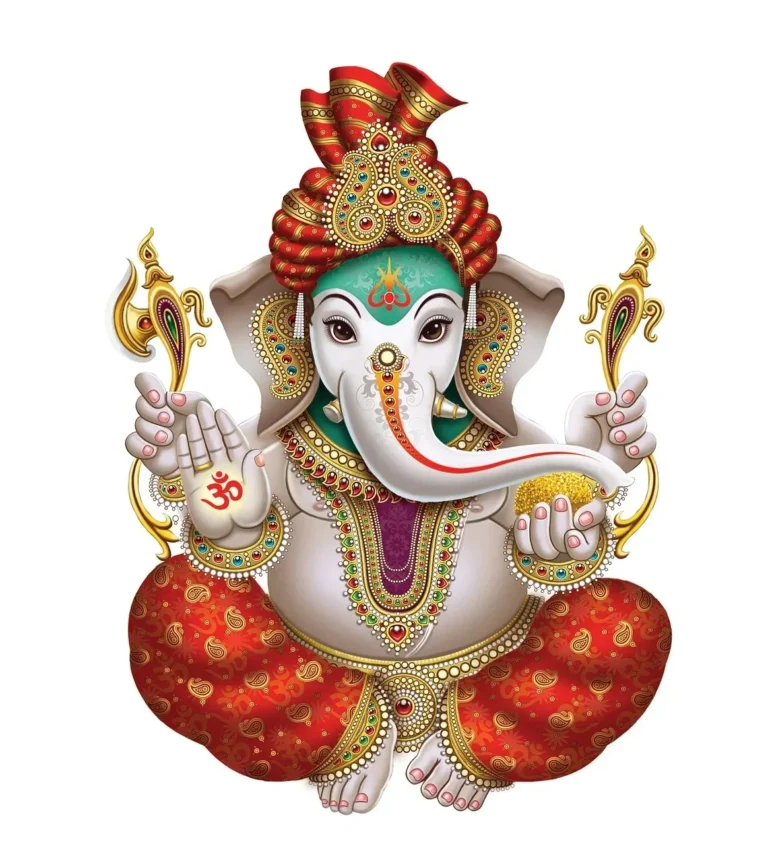
The festival pays homage to Durga’s nine divine manifestations, each embodying specific strengths, virtues, and cosmic functions. Devotees chant and offer rituals tailored to each form, inviting blessings that resonate with personal and communal aspirations. Below is an overview of each avatar, detailing its iconography and associated blessings.
- Shailaputri – The daughter of the mountain, she represents harmony between earth and sky. Worship of Shailaputri is believed to bring stability, groundedness, and protection against natural calamities.
- Brahmacharini – Embodying ascetic discipline, she inspires spiritual growth, concentration, and the cultivation of inner strength. Her worship is especially auspicious for students and scholars seeking focus.
- Chandraghanta – Associated with the moon’s gentle glow, this form brings emotional balance and serenity. Chanting her name helps alleviate anxiety and encourages emotional resilience.
- Kushmanda – The creator of energy, Kushmanda grants vitality and confidence. Many women pray to her on auspicious occasions to enhance fertility and personal confidence.
- Skandamata – The mother of Skanda (Kartikeya), she nurtures courage and bravery. Her worship is considered vital for protecting loved ones in times of danger.
- Katyayani – Recognized as a warrior queen, she safeguards against fear and harm. Devotees seek her blessings for bravery in facing life’s challenges.
- Kalaratri – The night of darkness, Kalaratri confronts inner demons. She is invoked to bring clarity, fearlessness, and the ability to overcome hidden fears.
- Mahagauri – A luminous deity who offers pure motives and generosity, Mahagauri helps align one’s actions with moral virtue and transparency.
- Dhumavati – The sorrowful form, Dhumavati oversees compassion for loss. Worshiping her encourages emotional healing, empathy, and spiritual maturity after personal tragedy.
Each form’s distinct attributes reinforce the multifaceted nature of divine power, encouraging devotees to cultivate balanced qualities within themselves.
Navratri Significance: Regional Celebrations
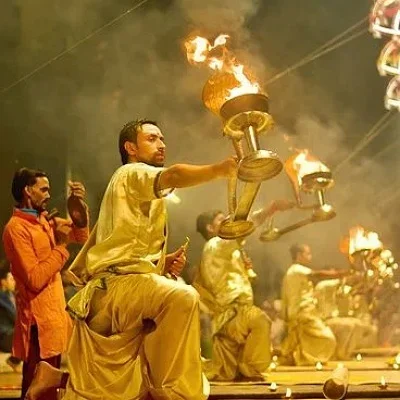
In northern India, the festival is marked by the vibrant Garba and Dandiya dances of Gujarat and Rajasthan, where the rhythmic beat of drums reverberates through the night. The festive atmosphere extends to shared meals of sweet, savory, and fermented foods, symbolizing community bonding. Meanwhile, in the eastern states such as West Bengal, people observe Chandana Jatra, a procession dedicated to Durga’s nine forms, as well as meticulous Durga puja that lasts for several days.
South Indian traditions, especially in Tamil Nadu and Karnataka, celebrate each avatar with a unique set of rituals—like the ikki puja and the wielding of silver swords that echo ancient warrior chants. In the northeastern states, local legends merge with Durga worship, producing a tapestry of regional myths. The festival’s global footprint is equally remarkable, where diaspora communities organize cultural shows, musical performances, and charity drives that both preserve tradition and promote cross-cultural dialogue.
For those seeking a scholarly perspective, the Britannica article on Navratri provides comprehensive insights into how these regional variations reflect the underlying essence of Navratri Significance across societies.
Navratri Significance: Modern Practices
The advent of digital technology has transformed the way people experience Navratri Significance. Live-streamed rituals allow parents who cannot travel to attend kanthi ceremonies from their homes. Social media platforms host devotional music broadcasts, interactive storytelling, and fundraising initiatives for charitable causes under Durga’s aegis. Additionally, eco-friendly puja practices—such as using biodegradable idols and LED lamps—have become popular as people prioritize sustainability while honoring tradition.
Public and private sectors even sponsor community celebrations, offering corporate sponsorship for goddess feasts, memory tributes, and digital countdowns. These innovations preserve the festival’s core values: collective celebration, spirituality, and mutual support, while expanding its inclusivity to younger generations who interact with Navratri Significance through smartphones and global networks.
Celebrate Navratri Significance: Connect, Reflect, and Honor the Nine Divine Forms today—join local gatherings or create your own home altar to bring hope and resilience into your life.
Frequently Asked Questions
Q1. What is the main theme of Navratri?
Navratri celebrates the triumph of good over evil, embodied by Goddess Durga defeating the demon Mahishasura. The nine nights symbolize the nine forms of Durga, each representing different virtues and cosmic energies. Devotees remember resilience, compassion, and collective identity through rituals, dance, and feasting.
Q2. Who is Durga and why are there nine forms?
Durga is a powerful Hindu goddess representing courage, strength, and maternal protection. The nine forms—Shailaputri, Brahmacharini, Chandraghanta, Kushmanda, Skandamata, Katyayani, Kalaratri, Mahagauri, and Dhumavati—highlight various aspects of her power, from creation and nourishment to compassion and fearlessness.
Q3. How do different regions celebrate Navratri?
In North India, vibrant Garba and Dandiya dances mark the festival, while East India’s Chandana Jatra features processions. South Indian states perform unique rituals like the silver sword ceremonies in Tamil Nadu and Karnataka. Across the diaspora, communities organize cultural shows, charity drives, and global digital celebrations, preserving both tradition and cross‑cultural dialogue.
Q4. How has technology changed Navratri celebrations?
Digital platforms now stream live pujas, offer virtual chanting services, and share devotional music worldwide. Social media buzzes with interactive storytelling, fundraising initiatives, and eco‑friendly guidance. Corporate sponsorship also extends to online buzz, allowing younger generations to engage with Navratri from their devices.
Q5. What eco‑friendly practices are used during puja?
Many devotees now use biodegradable idols, LED lamps, and recycled materials for altar setups. Planting seed‑sticks, composting offerings, and opting for water‑less rituals are gaining popularity. These practices maintain reverence while reducing environmental impact.