Kali Worship Awakening Inner Power
In the vast tapestry of Hindu devotion, Kali Worship is a profound practice that invites seekers toward a courageous inner awakening. For many, the fierce goddess Kali embodies liberation and the dissolution of ego. By approaching her with reverence, faithful practitioners access transformative energy that catalyzes personal growth. This article explores the essence of Kali Worship, its rituals, symbolism, and how beginners can safely guide themselves on a path that harmonizes devotion with inner awakening.
Understanding Kali Worship
The mythology surrounding Kali is rooted in stories that celebrate cosmic balance. Kali represents both destruction and renewal, a duality that mirrors the psychological journey of facing our inner shadows. In the Wikipedia entry on Kali, scholars highlight her association with death’s inevitability and transformation into blissful union. By embracing Kali’s fierce love, devotees learn to confront internal limitations and receive unconditional acceptance.
Core Practices for Inner Awakening
Intentional devotion is crucial. The practice of mantras, breathwork, and visual meditations helps create a resonant field in which the inner awakening can flourish. Seven foundational elements are often recommended for a balanced initiation:
- Mantra Chanting: Repeating “Om Kumarā” aligns the heart with Kali’s rhythmic pulse.
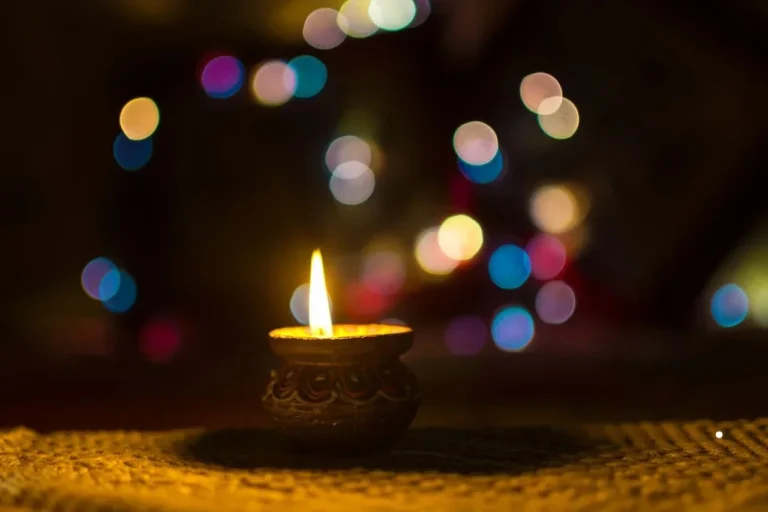
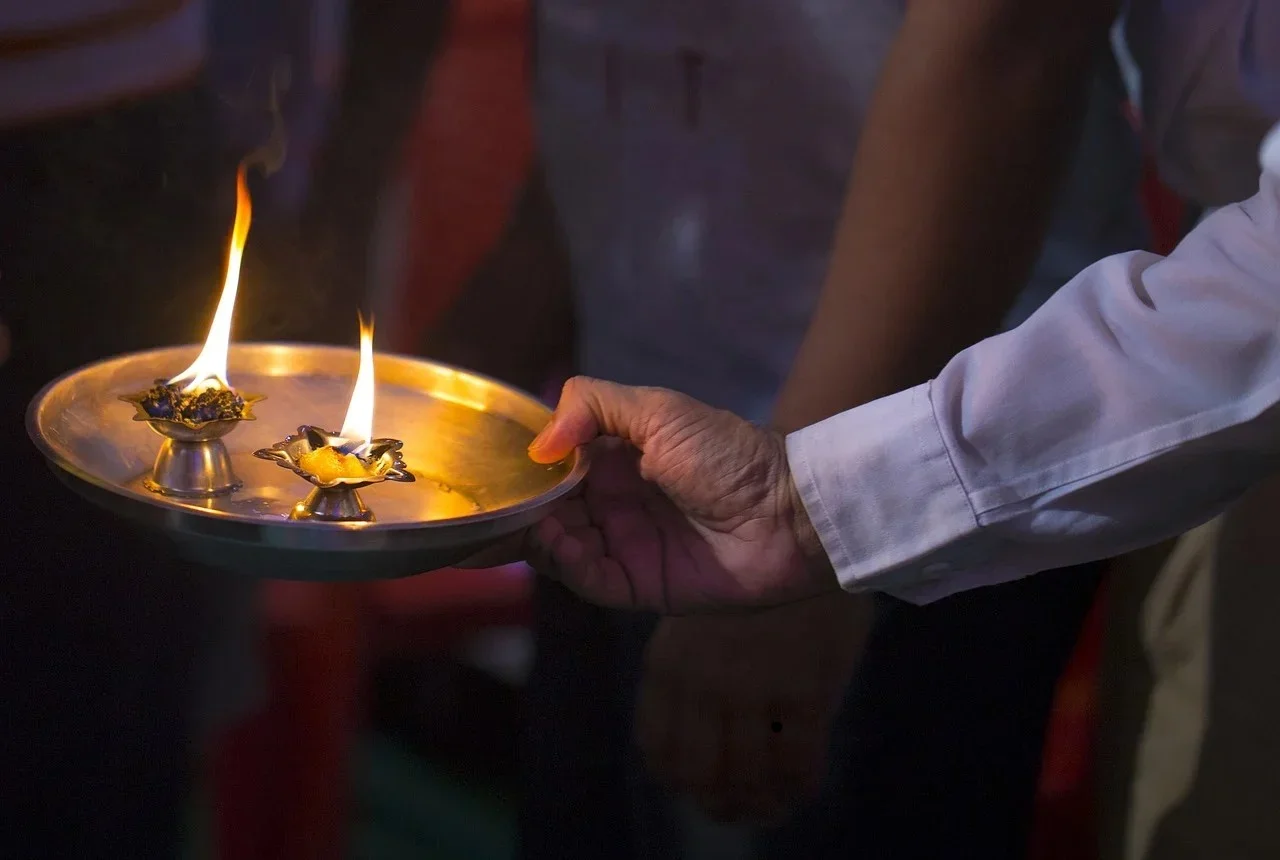
- Sanctified Space: A clean altar with garlands and lamps establishes a sacred atmosphere.
- Offering of Flores: Poppies or red roses symbolize equality between earthly desires and divine surrender.
- Ritual Circumambulation: Moving clockwise around the altar nurtures awareness of cosmic energy flowing through the body.
- Daily Reflection: Journaling about personal fears invites integration of grief and release.
- Guided Breath: Anulom-Viloma focuses consciousness inward while balancing hemispheric functions.
- Fasting or Controlled Feast: Conscious diet assists in cleansing the prana channels.
Adopting these practices creates a scaffold that supports inner awakening, forming a safe environment to release habitual thought patterns.
Symbolism Behind Kali’s Iconography
In Kali Worship, every component of her iconography carries subtle meaning that deepens insight. When depicted clinging to Shiva, the goddess signifies the dissolution of duality. Her mouth often covers the sky, encouraging devotees to “speak less and listen more” to intuition.
Iconography also invites contemplative practice. For example, her dancing feet, crimson lotus hands, and snarling hair point to cell‑level movement of suppressed emotion. With each breath, these symbols remind us that the invisible energies within us can manifest as vibrant life force.
Practical Rituals to Foster Connection
For those beginning their Kali journey, a structured weekly cycle can expedite inner awakening. The following ritual steps blend devotion with psychological growth:
- Sunday – Nightly Chanting: Set up an altar with a single white candle; sit in meditation chest‑center for 15 minutes while chanting “Om Kali”.
- Wednesday – Sunlit Reflection: Walk barefoot on natural soil; observe the interplay of light and shadow; journal insights every evening.
- Friday – Candlelight Offering: Light a red candle; present a slip of paper containing a current fear; burn it and envision its release.
- Saturday – Community Sharing: Attend a local group or virtual circle; discuss how Kali’s energy may support healing.
By devoting discrete moments each week, the practitioner weaves devotion into everyday life, allowing inner awakening to unfold organically.
Safety Tips for New Devotees
While Kali Worship holds great promise, it also demands reverence and preparedness. Here are some universal guidelines:
- Remain grounded in Ayurvedic principles—eating a balanced diet reduces the likelihood of neurological stress.
- Seek guidance from lineage holders or certified yoga teachers to avoid estranged emotional patterns.
- Use reputable sources for information—many online forums are anecdotal; consult academic research.
- Set personal boundaries; noticing when practice becomes compulsive is key to healthy devotion.
- Include meditation steps to maintain emotional equilibrium.
Maintaining a balanced perspective ensures that devotion nurtures growth instead of superstition.
Conclusion: Transformative Commitment
Embarking on Kali Worship is an invitation to confront the deepest facets of the self. By combining disciplined rituals, meaningful symbolism, and mindful intention, you kindle an inner awakening that transcends spiritual routine. Start today by lighting one candle, chanting a single mantra, and observing how the energy shifts within your mind, body, and heart. The journey to self‑transformation is the most important ritual you can keep eternally. Take that first step; reawaken your inner power with Kali’s fierce compassion.
Ready to deepen your practice? Explore more detailed resources and connect with other practitioners through Britannica on Kali and Mental Health Resources. Join a supportive community and begin your transformative journey today!