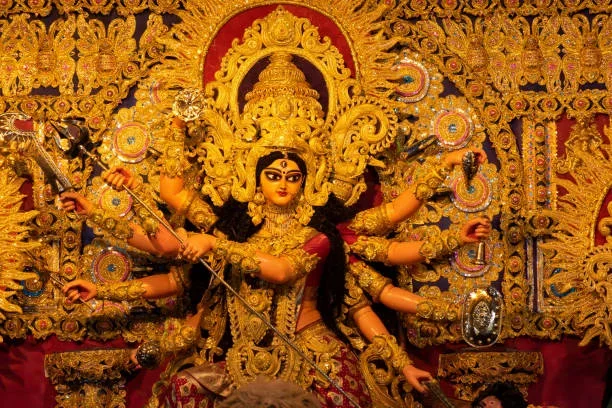
Inner Strength of Goddess Durga
Inner strength is a universal theme that transcends cultures and time. In the pantheon of Hindu deities, Goddess Durga stands as a quintessential embodiment of this resilience, shining as a beacon of empowerment for millions. Her narrative, rich with mythological symbolism and spiritual depth, offers modern audiences a timeless lesson: true power comes from within. By exploring Durga’s myth, iconography, and cultural impact, we discover how she serves as a powerful emblem of inner strength for women, devotees, and seekers of personal transformation alike.
Durga’s Mythical Origins: A Story of Empowerment
According to the Ramayana and the Mahabharata, Durga was created by the devas (gods) and the sages to crush the demon Mahishasura, whose tyranny threatened cosmic balance. After the myriad of gods’ attempts failed, the collective wisdom of the divine forces fused together to forge a warrior deity. Durga emerged as a formidable figure wielding a dozen arms and a multitude of weapons, each forged by a different god, symbolizing the harmony of diverse strengths. The iconography encapsulates how inner force is cultivated through collective support, self‑belief, and the willing sacrifice of one’s ego.
Durga’s battle with Mahishasura is more than a mythic tale of victory; it is a reverence to *spiritual resilience*—the aptitude to confront deep-rooted fear and innocence. She rides a tiger or lion, animals that denote courage and ferocity, while she holds the trident (trishul) and various arms full of miracles. These qualities provide faithful adherents with a visual map: to see their own inner challenges as adversaries to be confronted and overcome.
Iconography and the Visual Language of Strength
- Multiple Arms: Each limb carries an emblem of protection—shields, swords, blessings—signifying a multi-faceted power rooted in balance.
- Mountas and – Animals: A tiger (symbol of aggression), a lion (pri‑genuine authority), or a bull (durable perseverance) illustrates the different ways inner pride manifests.
- Warrior Stance: The posture demonstrates readiness and mental composure, key aspects of inner resilience.
- Color Palette: Purples for royalty and deep courage; gold for abundance and enlightenment.
Each piece of Durga’s clothing and implementation carries intentional design. The Bindi on her forehead indicates that focus and clarity must accompany physical strength. The thousand hair strands celebrate the abundance of life experiences that fuel inner fortitude.
The Role of Durga in Women Empowerment Traditions
The festival of Navaratri, celebrated across India, culminates in the victory of Durga over evil. This 9‑night festivity coincides with a process of look‑back and collective self‑confrontation, where women reclaim agency over their lives, dismantling societal expectations that once bound them to a passive role. Durga’s triumph over Mahishasura becomes a metaphor for confronting gender inequality and the deep parasites that inhibit personal growth.
Beyond the religious, Durga is a cultural icon. During the Panchami day of Navaratri, women gather to recite hymns, celebrate each other’s milestones, and practice self‑care rituals. The goddess’s mythology inspires women to search for inner determinants that grant them authority over their circumstances. This form of spiritual empowerment reinforces the societal role of women as true catalysts for positive change.
Durga’s Relevance in Contemporary Spiritual Resilience
In today’s fast‑paced environment, the concepts of “inner strength” and “mental fortitude” are universally prized. Durga’s mythology exemplifies emotional equilibrium with practical skill. Her strategic alignment of ritual discipline and *global guidance*—attributes that modern mind‑body therapists reference—illustrate how ancient wisdom can survive in contemporary therapeutic practices.
Psychologists reference Durga’s mantra, “Bajarang Bhasha (the one who can hold the world),” as a metaphor for the capacity to tackle complex psychodynamic problems. The goddess’s embodiment of perseverance echoes the constructs of post‑traumatic growth (PTG) noted in the Journal of Positive Psychology. Thus, Durga is both an iconic figure and a living symbol that fosters introspection and resilience.
Using Durga’s Lessons to Cultivate Inner Strength
Creating a daily ritual that reflects Durga’s energy can reinforce personal resilience. Consider these steps:
- Grounding: Sit facing the direction that symbolizes your goal. Hold a small stone or metal charm that resonates with your intent.
- Visualization: Mentally picture Durga’s iconography—five arms, the ferocious tiger, and the radiant halo—focusing on the qualities you wish to adopt.
- Invocation: Recite a chant or mantra, such as “Om namah shivaya” or a simple affirmation that aligns with your life’s priorities.
- Reflection: At the time’s end, journal about challenges you faced, how you met them, and the lessons you learned.
Those who apply this practice will notice a shift in how they handle stress. By consciously mirroring Durga’s formidable stance, the practitioner reinforces mental resilience while building a deeper sense of purpose.
Conclusion: Channeling Durga’s Power Within You
Goddess Durga’s legacy remains an enduring reminder that inner strength is not an external gift but a cultivated tool found in personal resolve, unified community, and conscious attitude. By studying her myths, embracing her visual representation, and adopting her spiritual practices, you can unlock new levels of courage, wisdom, and self‑belief. Reinvest in your inner power—practice the rituals above, explore the transformative meaning behind each icon, and observe how your day-to-day experiences shift toward empowerment. Start today and honor goddess Durga’s eternal guidance by tapping into the resilience that lies within you.
Take the first step now—discover that inner strength within your life’s arc with the enduring wisdom of Goddess Durga.
Frequently Asked Questions
Q1. Who created Goddess Durga in Hindu mythology?
Durga was forged by the collective efforts of the devas (gods) and sages to defeat the demon Mahishasura. Their combined wisdom and divine powers culminated in a warrior goddess who could embody the strengths of each deity.
Q2. What does Durga’s many arms symbolize?
Each arm holds a different weapon, representing the harmony of diverse strengths and the multi‑faceted nature of inner resilience. It shows that true power comes from integrating various skills and perspectives.
Q3. How is Durga celebrated during Navaratri?
Navaratri is a nine‑night festival that commemorates Durga’s victory over evil. Women gather, sing hymns, and perform rituals that emphasize self‑empowerment and collective support, echoing the goddess’s message of resilience.
Q4. Can modern psychology apply Durga’s teachings?
Yes, concepts like post‑traumatic growth and emotional equilibrium are mirrored in Durga’s narrative. Therapists often use her story to illustrate perseverance and the alignment of ritual discipline with mental well‑being.
Q5. What simple daily ritual can help cultivate Durga’s inner strength?
A grounding step, followed by visualization of her iconography, an invocation chant, and journaling reflection helps reinforce resilience and purpose in everyday life.