Hanuman Ji Carrying Mount Symbolism
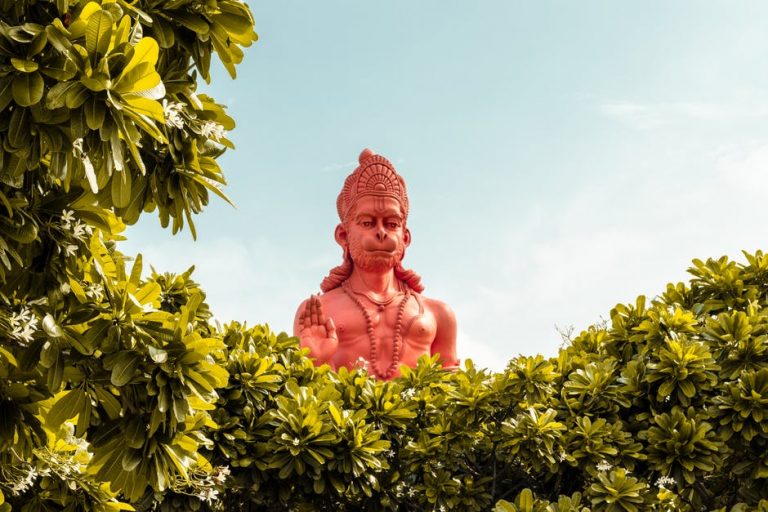
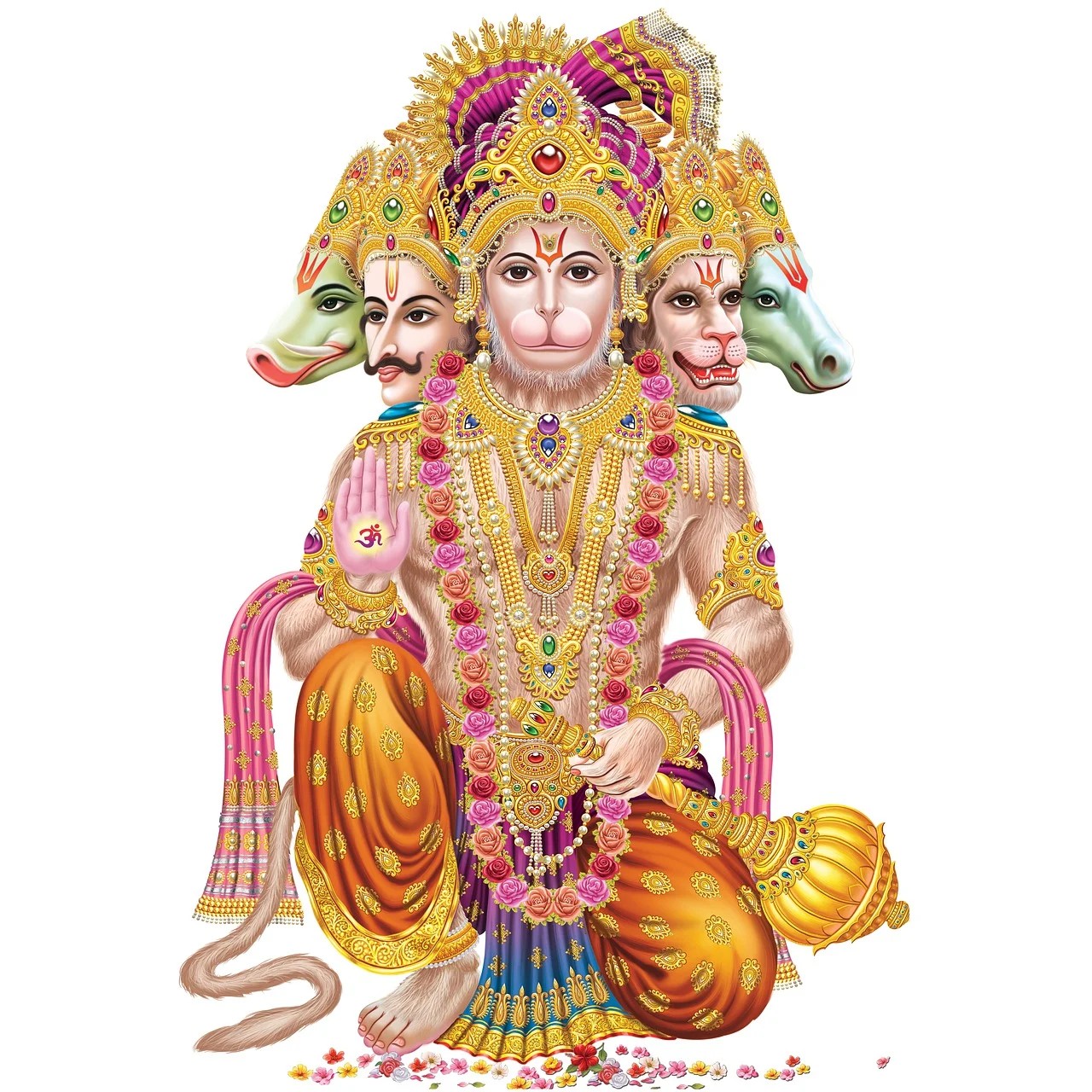
The image of Hanuman Ji Carrying the Mountain has captivated devotees and scholars alike for centuries. Whether depicted on temple carvings, canvas, or modern digital media, this powerful visual narrative encapsulates themes of unwavering devotion, divine strength, and the triumph of good over evil. By delving into the mythological origins and symbolic layers of this icon, we uncover layers of cultural and spiritual significance that continue to resonate in contemporary Hindu practice and beyond.
Hanuman Ji Carrying the Mountain: Mythical Context
In the epic Ramayana, the incident occurs when Lord Hanuman, the devoted servant of Lord Rama, is tasked with retrieving the life‑saving Sanjeevani herb from the distant Himalayan plateau to cure Rama’s battle‑wounded brother, Lakshmana. Unable to identify the specific herb, Hanuman picks up the entire mountain, taking it back to the battlefield. The mountain, therefore, symbolizes the extraordinary lengths of devotion and the readiness to sacrifice personal comfort for the greater good.
Hanuman Ji Carrying Mountain: Iconographic Significance
Iconography in Hindu art uses the mount (Sirini) to denote a person’s power and perseverance. Hanuman’s act is frequently paired with his awe‑striking posture: a firm grip, eyes wide with determination, and a subtle smile conveying humility beneath the heroic exterior. The mountain’s jagged peaks reflect the obstacles in human life; Hanuman’s conquest depicts the spiritual overcoming of ignorance and desire. Artists also emphasize the interplay between light and shadow on the mountain’s surfaces, underscoring the dual nature of duty—both a burden and an honor.
Hanuman Ji Carrying Mountain: Allegorical Interpretation
Beyond the literal story, the mountain functions allegorically as a metaphor for the human psyche. It stands for:
- The Ego – Its towering presence can seem insurmountable, yet disciplined effort (Hanuman’s devotion) can bring it down.
- Obstacles to Spiritual Light – The weight of worldly attachment keeps one from inner illumination.
- Self‑Sacrifice – Carrying the mountain mirrors the willingness to bear the burdens of others for collective welfare.
- Transformation – A once immovable peak turns into a path for growth when approached with faith.
- Universal Knowledge – The mountain’s summit, a point of gathering, symbolizes the crystal‑clear awareness that settles once spiritual systems are mastered.
Hanuman Ji Carrying Mountain: Cultural Impact and Modern Relevance
Across India, the motif has become ingrained in festivals, rituals, and public monuments. In the Ganga River ceremony, devotees often recreate the mountain‑carrying gesture with small stones, signifying community solidarity. Modern drama and digital cinematography vividly portray Hanuman’s journey, making the story accessible to younger generations.
Academic studies such as a comprehensive JSTOR analysis highlight how this depiction fuels discussions on perseverance in modern social movements. Meanwhile, the University of California system archives show that the mountain motif is used in museum tours to discuss ancient Indian art and philosophy. Such research underlines the mountain’s relevance as a symbol of resilience in the face of adversity.
Explore the Deeper Meaning Today
Whether you are a practitioner of faith, a lover of art, or a curious reader, the story of Hanuman Ji Carrying the Mountain invites deeper reflection on how we confront our personal challenges. Dive into the original scriptures, explore authenticated temple carvings, or simply meditate on the image as a reminder that every obstacle can become an opportunity for growth. If you found this exploration meaningful, consider visiting a local temple or watching a documentary that brings this ancient tale to life. Let the spirit of Hanuman Ji Carrying inspire you to carry your own metaphorical mountains with grace, strength, and unwavering devotion. Share your insights or questions below, and let’s keep this powerful conversation going!
Frequently Asked Questions
Q1. What does Hanuman carrying the mountain symbolize?
The image symbolizes unwavering devotion, divine strength, and the triumph of good over evil. It reflects a willingness to bear great burdens for the greater good.
Q2. Why did Hanuman pick up the entire mountain instead of just the herb?
In the Ramayana, Hanuman could not identify a single Sanjeevani herb, so he carried the whole mountain that contained the life‑saving plant, demonstrating that personal sacrifice can overcome uncertainty.
Q3. What is the iconographic significance of the mountain in Hindu art?
The mountain, or Sirini, conveys a figure’s power and perseverance. In depictions of Hanuman, light and shadow play across its peaks, highlighting duty as both a burden and an honor.
Q4. How is Hanuman’s mountain‑carrying act relevant to modern life?
Its symbolism is invoked in cultural festivals, film, and academic studies as a metaphor for perseverance, self‑sacrifice, and overcoming obstacles on the path to spiritual light.
Q5. Where can I see authentic representations of Hanuman carrying the mountain?
Temples across India, public monuments, and museum tours often feature this motif. You can also view traditional carvings, frescoes, and contemporary digital art online.