Exploring Kali’s Dark Color
When you hear the phrase Kali’s dark color, your mind may initially picture a haunting aura of the fierce Tamil goddess who is revered as the embodiment of destruction and rebirth. Yet, the hue itself carries a deep spiritual narrative that goes beyond simple fear or terror. In Hindu spirituality, color is a language of the soul, and dark shades are not merely absence of light but an invitation to look inward, confront hidden truths, and ultimately achieve liberation. This article delves into the veil of darkness surrounding Kali, contextualizes it within Hindu mythology, and offers practical insights into how one might engage with this powerful symbolism in everyday life.
Why Darkness Matters in Hindu Art and Ritual
In the spectrum of Hindu iconography, pigments tell a story of cosmological balance. While bright reds, yellows, and golds depict the vivacious energies of creation, dark hues, particularly black, signify the unknown depths of consciousness that precede transformation. Scholars such as David Frawley note that “in Tantra, the dark color of the night is a reminder that enlightenment unfolds within the shadows of ignorance” (Frawley Britannica). Similarly, the goddess Kali’s skin is not merely a design choice; it is an intentional symbolic piece. Her black complexion reflects the endlessness of time, the potential for new life in suffering, and the sacred geometry of infinity—all aspects aligned with esoteric teachings (Kali Wikipedia).
The Mythological Backdrop of Kali’s Form
Historically, Kali emerged from the cosmic dance of Shiva and Shakti. During the annihilation of demons, Shiva created the goddess out of his own fear and fury to bring justice. The blackish mass materializes as the merging of darkness (the void) with divine energy (Shakti). Myths recorded in the Purana describe Kali as “the complete darkess that eclipses all colours” (Purana JSTOR). Here, darkness is dual: a protective veil and the place where the soul can confront and dissolve inherited patterns. She is not an antagonist but a profound healer who forces practitioners to confront the greatest internal obscurities and dissolve them through remembrance of the divine self.
How Kali’s Dark Color Connects to the Subtle Body
In yogic texts, the subtle body contains several energy centers, or chakras, that run along the spine. The lower chakras, especially the root chakra (Muladhara), are linked to the color red, while the heart chakra is green, and the head chakra is violet or indigo. The darkness of Kali’s shade resonates with the concept of the universal consciousness Bhairava, which dwells at the base of all existence. In meditation practice, visualising a black swath between the base and heart chakras helps anchor one’s awareness in the process of dissolving egoic boundaries (Yoga Journal Yoga Journal). This technique invites practitioners to move through the darkness, not to avoid it, and to practise integration of shadow qualities.
Practical Ways to Work with Dark Symbolism
Below are four steps you can adopt in your spiritual routine to embrace Kali’s dark color meaningfully:
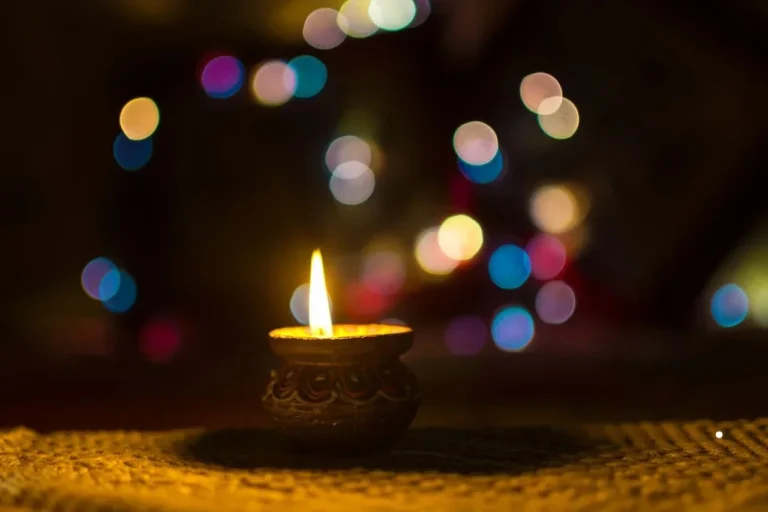
- Dark Sandalwood Atmosphere: Light a black or dark sandalwood incense or hold a black candle during meditation. The scent grounds the body, allowing you to feel safe while navigating the unknown within.
- Shadow Journaling: Dedicate 10‑minute writing sessions each day. Ask yourself: “What fear or unresolved pain feels like a black knot inside me?” Recording these thoughts increases awareness and activates the transformation process.
- Colorful Integration: While wearing dark blue or black apparel during rituals, consciously breathe through the imagery of Kali’s black globes dissolving negativity, as a tool to neutralise negative energy (Hinduism – World Hinduism).
- Community Rituals: Participate in local Kali puja or celebrate During Mahalaya, darkness is not feared; it symbolizes remembrance and reverence. When you join the chant, you will feel the collective longing to transcend.
Debunking Common Myths About Kali’s Dark Appearance
Many visitors misinterpret Kali’s black color as a symbol of evil. However, ancient scriptures clarify that the darkness denotes an indescribable depth of truth that includes suffering, death, and renewal. It does not imply malevolence. An excellent resource for this nuance is the Vishnu Purana, which praises Kali for granting “clarity through dissolving darkness” (purana Temple Houses). In contemporary spirituality, this is mirrored in movements centered on mindful grief and post-traumatic growth (Harvard Medicine Harvard Medicine).
Connecting with Kali’s Dark Color Cross‑Culturally
While Kali’s narrative is rooted in Hinduism, the concept of awe in the dark is universal. A comparative lens reveals parallels with the ancient Greek goddess Hecate, “queen of the crossroads, the night, and darkness”—the eternal wheel that turns in the sacred black wheel of change. Likewise, many African indigenous cosmologies view darkness as the womb of potential and a source of moral and spiritual revelation. Recognizing these universality patterns allows practitioners to respect cultural specificity while drawing holistic spiritual insights.
Final Thoughts: Embracing the Sacred Shadow
Your journey through Kali’s dark color is not about seeking dread but about embracing an authentic experience of inner transformation. A black hue, far from being a mere visual, is a living reminder of your capacity to confront, evolve, and emerge from the shadows into a renewed sense of self. If you wish to deepen this practice, consider exploring community workshops around the goddess Kali, attending local temples, or reading foundational texts like the Shiva Sutras that elaborate on the interplay between darkness and light.
Frequently Asked Questions
Q1. What does Kali’s dark color symbolize?
Kali’s dark complexion is a deliberate symbolic choice. In Hindu cosmology it represents the primordial darkness of the void before creation, a liminal space where the soul can confront ignorance and fear. By embodying this darkness, Kali invites devotees to enter the unknown, examine hidden patterns, and ultimately achieve spiritual dissolution. The shade also signals the goddess’s role as a transformer, turning negative energies into liberation. Thus, her dark color is not a sign of evil but a portal to awakening.
Q2. How can I incorporate Kali’s dark color into my meditation?
Begin by setting a space that feels grounded—light a dark sandalwood incense or hold a black candle to create calm. Visualize the blackness as a gentle veil over your body, feeling it anchor your awareness to the present moment. During breathwork, imagine the dark shade flooding your root and heart chakras, dissolving egoic boundaries. End the session by affirming that you have traversed the shadow and emerged with clarity.
Q3. Is the dark color of Kali associated with negativity?
While Kali’s black hue may initially suggest sinister connotations, ancient scriptures clarify that she embodies the depth of truth, not malice. The darkness signals the potential for transformation, where suffering and death give way to renewal. Her color is a reminder that despair can be the step toward liberation, not the final destination.
Q4. How does Kali’s dark color relate to other dark goddess representations?
In many mythologies, darkness is associated with powerful feminine deities. For example, the Greek goddess Hecate reigns over night and crossroads, often depicted in black or moonlit hues. African indigenous traditions view darkness as the womb of creation, where latent potential is nurtured. These parallels show that across cultures, dark femininity acts as a catalyst for transformation and wisdom. Recognizing these shared motifs encourages a holistic appreciation of Kali’s darkness without imposing cultural bias.
Q5. Where can I learn more about Kali’s dark symbolism?
You can start by exploring reputable encyclopedic entries like Wikipedia and Britannica for foundational context. Delve into academic journals on Hindu Tantra to understand how cosmology frames darkness as transformative energy. Spiritual retreats or community classes focused on Kali puja offer experiential insights into the goddess’s symbolism. Additionally, websites dedicated to Hindu spirituality, such as Hinduism Today, provide articles that contextualize Kali’s dark appearance within contemporary practice. Finally, engaging with practitioners who honor Kali can offer personal guidance and deepen your understanding.