Lion as Durga’s Vahana
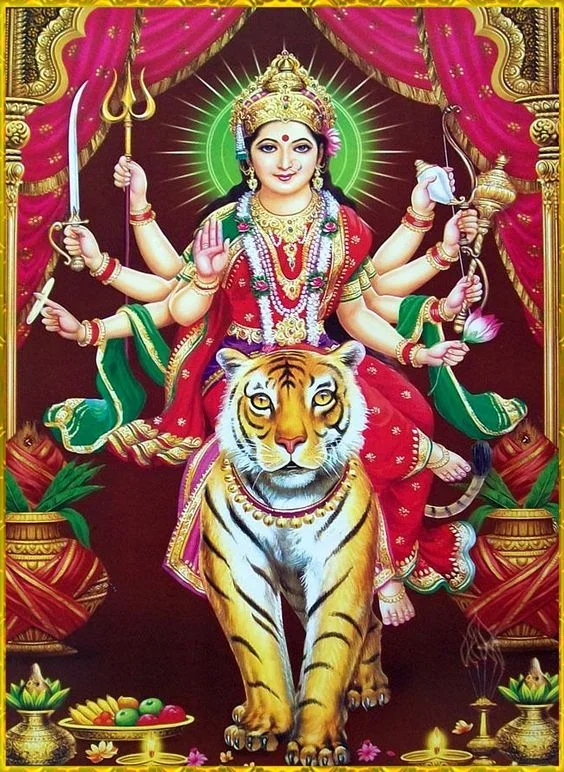
In Hindu mythology, the lion, as Durga’s Vahana, stands as a powerful emblem of courage, divine might, and the triumph of good over evil. The phrase “Lion as Durga’s Vahana” encapsulates a whole universe of symbolism that resonates across temples, festivals, literature, and contemporary spiritual practice. When you view ancient murals or modern depictions of Durga, you will notice the majestic lion’s mane framing her thunderbolt‑armed presence and guiding her fearless march against the forces of darkness. This symbolic partnership offers a rich field of interpretation that blends cosmology, ethics, and the human quest for empowerment. The lion’s unfettered grace and fierce spirit mirror the goddess’s relentless spirit, making the Vahana an essential companion in her divine mission.
Historical Roots of the Lion in Hinduism
Throughout the Vedic corpus and later Puranic literature, the lion emerges as a metaphor for several qualities: taming wildness, ruling kingship, and commanding respect. Its presence spans from the ancient hymns of the Rig Veda, describing the *shira* as an animal that roars for the king’s protection, to the *Ayodhya* saga, wherein the lion motif signals divine oversight. According to Durga’s Wikipedia entry, the goddess later adopts the lion to symbolize her sovereignty over all realms—earth, water, sky, and the netherworld. Scholars note that the transition from the lion to the tiger or elephant in other deities often corresponds to cultural variations; however, Durga’s unwavering association with the lion signifies *agni*, the primal divine fire that animates all beings.
Durga’s Vahana: What It Represents
In iconography, Durga is frequently seated on a lion or riding alongside it. The Vahana is much more than a mount; it is an active participant in her battle against darkness. By bearing the goddess, the lion spreads her aura across the battlefield, allowing her to strike with perfect precision. From a theological perspective, the lion symbolizes the *sattva* (purity) that underlies *sta* (energy) and *tattva* (truth), which are the three fundamental attributes that Durga exemplifies. Putting this into a broader context, Britannica’s overview of lions notes that the symbol elicits both fear and awe—an appropriate pairing for a deity who both annihilates demons and delivers ultimate compassion.
For devotees, riding the lion signifies a personal call to discover latent strength and defend the moral order. During Durga Puja, participants often hold the lion in their mind’s eye, letting its resilience guide them through challenges. Thus the lion, as Durga’s Vahana, demystifies the path to inner empowerment, making it approachable for those seeking steadfastness.
Symbolic Meanings: Strength, Protection, Spirituality
When Durga’s lion combs through the cosmos it illustrates three core symbolic pillars that religious scholars frequently underline when interpreting the goddess’s great journeys. These pillars reinforce her role as a guardian and teacher.
- Strength & Valor – The lion’s powerful musculature embodies the fortitude required to battle negativity. It reminds believers that courage is no accident but a cultivated skill, much like the goddess herself.
- Protection & Sanctuary – The lion’s unwavering loyalty towards its kin mirrors the protection Durga offers to her devotees. Through its fierce roar, the animal wards off malevolent forces in both literal and figurative senses.
- Spiritual Leadership – As the alpha creature of the savanna, lions lead by example. This parallels Durga’s role as a guide toward attained liberation, where her quintessential wisdom steers seekers away from ignorance.
The lion’s painted mane—each ripple a note in an opera of power—serves as a visual reminder that the divine spirit possesses both artistry and might. This image becomes a popular motif in contemporary spiritual retreats where participants shout “Durga!” while holding lion statues, further syncing culture with introspection.
Modern Interpretations and Cultural Impact
Today, the iconographic legacy continues to shape holistic practices and global media. Contemporary spiritual influencers frequently draw from Durga’s lion symbolism, offering parables that encourage audiences to cultivate “inner lions.” The concept of mindfulness in meditative communities sometimes invokes the calm‑yet‑spirit animal-like pose of the lion as an emblem of presence, heat, and purpose.
Urban designs in South Asian cities occasionally incorporate lion lion‑faced motifs to symbolize strength in civic narratives. Even in Western popular culture, characters inspired by Durga’s lion are found in comic books and films, signaling cross-cultural fertility. A high‑profile article on National Geographic’s lion facts notes how the creature’s evolutionary adaptations can inform modern leadership training, thereby bridging a timeless philosophical concept with pragmatic solutions.
Beyond art and literature, the lion feature most prominently in the ritual celebrations of Vijayadashami and Deepavali, where the creepers of saffron threads weave the aesthetic of both the goddess and her Vahana into homes and temples, reminding the faithful that deviated from restraint they will see the lion’s triumph abound.
Conclusion: Embrace the Lion Within
Revisiting the insights on “lion as Durga’s Vahana” offers a roadmap for balancing raw power with compassionate governance. By internalizing the lion’s virtues—courage, protection, and deliberate leadership—one may cultivate a personal moral kingdom that matches the divine merit of the goddess herself. Like the lion that gallops past ancient stones, the enlightened soul must heed the clamor of the world, hold the throne in wisdom, and drive darkness toward appropriate reverence.
How ready are you to become your own lion? Explore more about Hindu symbolism and integrate the timeless strengths of Durga’s Vahana into your daily practice—subscribe today for weekly inspiration and transformative lessons.
Frequently Asked Questions
Q1. What does the lion symbolize in Durga’s iconography?
The lion embodies strength, courage, and protective energy, enabling Durga to confront and dispel evil forces. Its majestic form conveys the goddess’s authority over all realms, from earth to the netherworld. For devotees, the lion’s roar serves as a reminder that inner bravery can overcome any obstacle. This symbolism also ties into Vedic ideas of kingship and divine guardianship.
Q2. Why is the lion chosen over other animals like a tiger or an elephant?
In Vedic and Puranic literature, the lion is a classic sign of royal power and virtuosity, whereas the tiger and elephant are reserved for other deities such as Shiva and Ganesha. Durga’s use of the lion emphasizes her direct, fearless confrontation with darkness. The animal’s stature and grace fit the goddess’s role as swift‑moving warrior. This distinction highlights cultural variations in the interpretation of divine mounts.
Q3. How is the lion depicted in temples and artistic representations?
Lion motifs appear as bas‑reliefs, bronze statues, and marble plaques, usually showing the creature standing or in a stylised posture. Artists often accentuate the mane and fierce expression to reinforce Durga’s power. In many temples in Bengal and West Bengal, lion‑shaped pillars serve as architectural safeguards. These visual cues have reinforced the narrative of protection throughout the centuries.
Q4. Does the lion’s presence influence how devotees worship Durga?
Yes; during Durga Puja, devotees chant mantras that invoke “inner lion” energy to ward off negativity. Many families place lion statues or images beside the altar, creating a symbolic protective barrier. The lion’s confidence also inspires devotees to act courageously in their daily lives, aligning personal dharma with divine will.
Q5. Can the lion as Durga’s Vahana be seen in a modern self‑help context?
Modern spiritual teachers often frame the lion as a metaphor for personal empowerment. By cultivating “inner lion” qualities such as fearlessness and compassion, individuals can confront personal demons. Meditation practices sometimes visualize the lion’s roar to manifest resilience. This contemporary interpretation keeps the ancient symbol relevant to everyday life.