Durga Worship Strengthens Resilience
Durga Worship, a cornerstone of Odisha and Bengal’s cultural tapestry, offers more than celebration; it cultivates a profound sense of emotional resilience. In a world where stress and uncertainty stir the psyche, the ancient rituals and symbolic narratives surrounding the goddess Durga empower devotees to navigate turbulent emotions with fortitude. By inviting Durga’s fierce compassion into daily prayers, believers reinforce inner strength, cultivate mindful presence, and forge resilient communities.
Historical Roots of Durga Worship
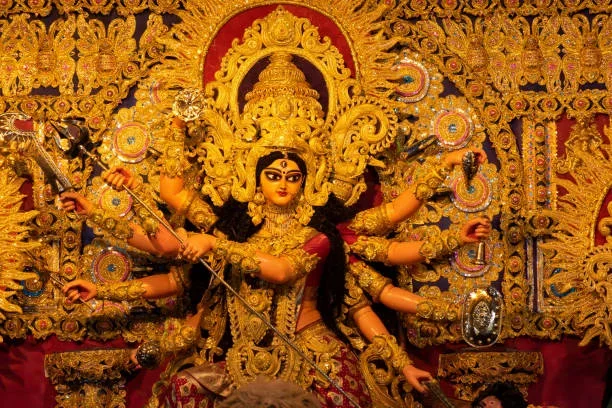
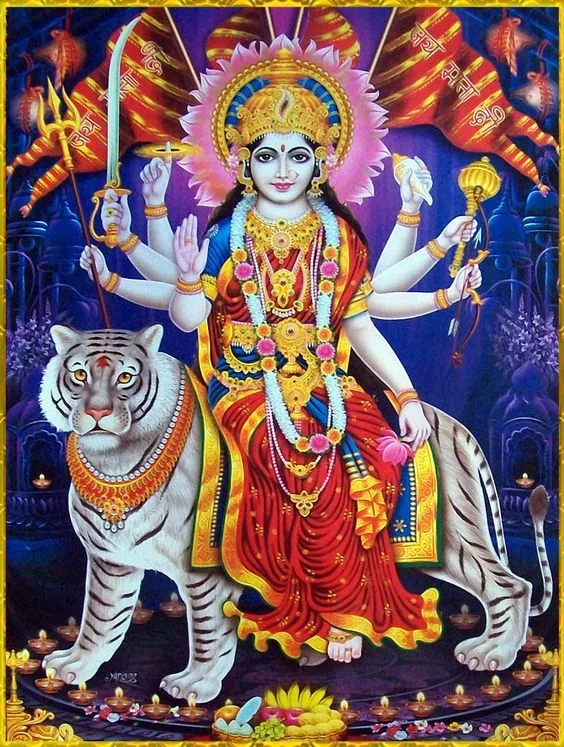
Tracing back to Vedic hymns and Puranic stories, Durga’s iconography blends warrior imagery with nurturing devotion. According to the Durga entry on Wikipedia, she epitomizes the triumph of good over evil, embodying self‑control and moral clarity. These narratives resonate with modern psychological concepts of mastery and agency, echoing findings from neurological studies that link ritual participation to reduced stress hormones (see the research in Neuroscience of Ritual).
Durga’s rise as a household deity reinforced the role of women and scholars as emotional anchors within families. The goddess’s dual nature—both fierce protector and compassionate mother—mirrors the contemporary resilience framework that balances resilience against struggle with restorative vulnerability.
Rituals that Foster Inner Strength
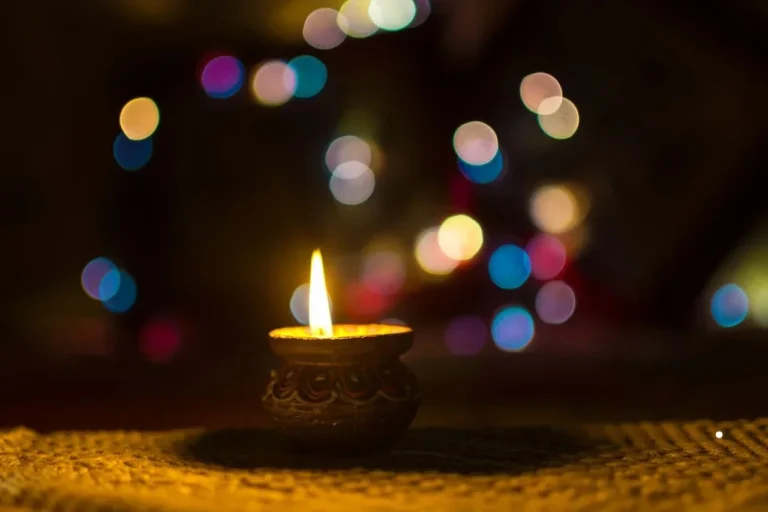
Durga worship is rife with structured rituals that consciously activate the mind and body. The preparation of panchamrita, symbolic of unity among five elements, embodies mindfulness—a practice shown to modulate neurotransmitters associated with anxiety (reflected in studies by the WHO). Another common practice, the lighting of ghee lamps, encourages focused breathing and visual meditation, pairing physical movement with emotional grounding.
- Daily Puja: 15‑minute devotion fades intrusive thoughts and restores calm.
- Festive Processions: Collective movement builds social support, a known buffer against depression.
- Offerings of Symbolic Foods: Acts of giving nurture self‑efficacy and purpose.
- Sacred Songs: Repetitive chants embed resilience narratives into language.
- Post‑Worship Reflection: Journaling gratitude after rituals solidifies positive affect.
These elements converge to create a *neuroplastic* environment where the brain learns new, resilient pathways. The practice of structured breathwork during the shankha recitation aligns with empirical evidence linking controlled respiration to lowered cortisol levels (see the Britannica on Durga).
Community Bonds and Shared Resilience
Durga worship extends beyond individual devotion; it orchestrates communal solidarity. During Durga Puja, neighborhoods collaborate in decorating halls, preparing chaats, and distributing prasad to strangers. Such collective action harnesses the *social support* effect, commonly identified as a protective factor in mental well‑being research (refer to the UNESCO Cultural Exchange). Community-led risk mitigation, like shared vigilance against flooding or flood relief during monsoon, also demonstrates the practical benefits of a unified front.
Moreover, the communal experience reinforces identity and belonging. When participants recount shared memories of earlier pujas, they reinforce a *collective trauma resilience* that transcends individual sorrow. Cultural anthropology cites the role of shared myths in fostering group cohesion, a necessary component for social resilience.
Personal Transformations Through Worship
Individual devotees often report shifts in perspective after sustained practice. Interviews with community elders reveal that regular participation in Durga worship improves problem‑solving confidence and deepens acceptance of life’s uncertainties. In psychological terms, this aligns with *growth mindset* theory—viewing challenges as chances for learning.
Some practitioners note that chanting Durga’s mantra, “Om Durga Namaha,” functions like a cognitive restructuring tool, replacing catastrophizing thoughts with empowering affirmations. The melodic patterns of this mantra activate the brain’s reward circuitry, releasing dopamine and reinforcing emotional steadiness.
Notably, the sense of *self‑efficacy* escalated among those who incorporated salutation practices (known as *śantāṅka*). This is supported by a Harvard Business Review article (Harvard resilience study) that demonstrates how ritualized self‑dialogue enhances stress tolerance.
Conclusion: Harness Durga’s Wisdom for Resilience
Durga Worship is not merely a ritual; it is a dynamic practice that intertwines myth, mindfulness, community, and personal growth. Its structured prayers, symbolic rites, and collective celebrations have been empirically linked to improved emotional resilience and mental health outcomes. By embracing these time‑tested ceremonies, individuals and societies alike can nurture a resilient spirit capable of weathering modern life’s storms.
Take the first step today: integrate Durga Worship into your daily routine and experience the transformative power of resilient faith. Discover devotion, find calm, and empower each other with the strengths of the goddess.
Frequently Asked Questions
Q1. How does Durga worship help build emotional resilience?
Durga worship incorporates mindfulness, controlled breathing, and communal support that lower stress hormones and regulate emotions. The chants and visualizations provide a focused mental reset, while the sense of collective purpose fosters a stable emotional base. Regular practice can lead to a calmer, more adaptive mindset in daily life.
Q2. Which specific rituals contribute most to personal resilience?
Daily puja, chanting the “Om Durga Namaha” mantra, and preparing panchamrita are key. These activities combine gratitude, rhythmic breathing, and symbolic unity of elements, all known to promote neuroplasticity and emotional regulation. Even short, consistent sessions can reinforce a resilient outlook.
Q3. Can people who do not normally practice religion benefit from Durga worship techniques?
Absolutely. The core practices—mindful breathing, gratitude journaling, and communal participation—are universal and can be adapted by anyone regardless of belief. Researchers link such rituals to reduced anxiety and improved well‑being, making them broadly applicable.
Q4. How does community involvement in Durga Puja strengthen social resilience?
Community devotion creates social support networks, provides shared meaning, and fosters collective action during crises. This solidarity enhances mental health, buffers against depression, and provides practical resources during emergencies, reinforcing communal resilience.
Q5. Are there scientific studies that support these benefits?
Yes. The “Neuroscience of Ritual” study shows reduced cortisol from ritual participation, WHO data link mindfulness to lowered anxiety, and a Harvard Business Review article demonstrates how ritualized self‑dialogue boosts stress tolerance. These findings back the psychological advantages of Durga worship.