Therapeutic Hanuman Chalisa Chanting
In recent years, the growing interest in holistic wellness has led many to explore the psychological benefits of traditional spiritual practices. One such practice, Hanuman Chalisa Chanting, has been revered for centuries in India. Its rhythmic verses, rich with devotion, are believed to influence mind and body in profound ways. Studies in psychology and neuroscience now support the notion that repetitive chanting can cultivate calmness, improve cognitive function, and enhance emotional resilience.
Hanuman Chalisa Chanting: A Bridge Between Mind and Body
Chanting fundamentally engages both the auditory and motor cortices of the brain. When a person repeats the verses of the Hanuman Chalisa, the sound patterns engage the limbic system, the brain region responsible for emotions. This coupling can trigger a cascade of neurotransmitters that reduce cortisol, the hormone associated with stress. Researchers at the National Institute of Environmental Health Sciences have highlighted the role of rhythmic speech in lowering anxiety levels among participants.
Mindfulness and Stress Relief Through Chanting
Mindfulness meditation involves focused attention and non‑judgmental awareness. Chanting introduces a guided rhythmic motion that aligns with deep diaphragmatic breathing. The result is an increased production of gamma‑amino butyric acid (GABA), a neurotransmitter that promotes relaxation. According to a 2021 review published in the Journal of Clinical Psychology, individuals who engaged in mantra or hymn chanting for 15 minutes a day reported significant decreases in perceived stress and improved sleep quality. This mirrors findings from studies on other repetitive spiritual practices such as the Tibetan Om chant and the Islamic Al‑Fatiha.
Enhancing Cognitive Function and Focus
Regular chanting can also improve attention span and working memory. A study conducted at Stanford University examined 60 adults aged 25–35 who practiced chanting for 30 minutes daily over six weeks. The participants showed a 12% increase in the ability to maintain focus during complex tasks, compared to a control group. The researchers linked this improvement to strengthened neural connectivity in the prefrontal cortex.
Emotional Resilience and Community Connection
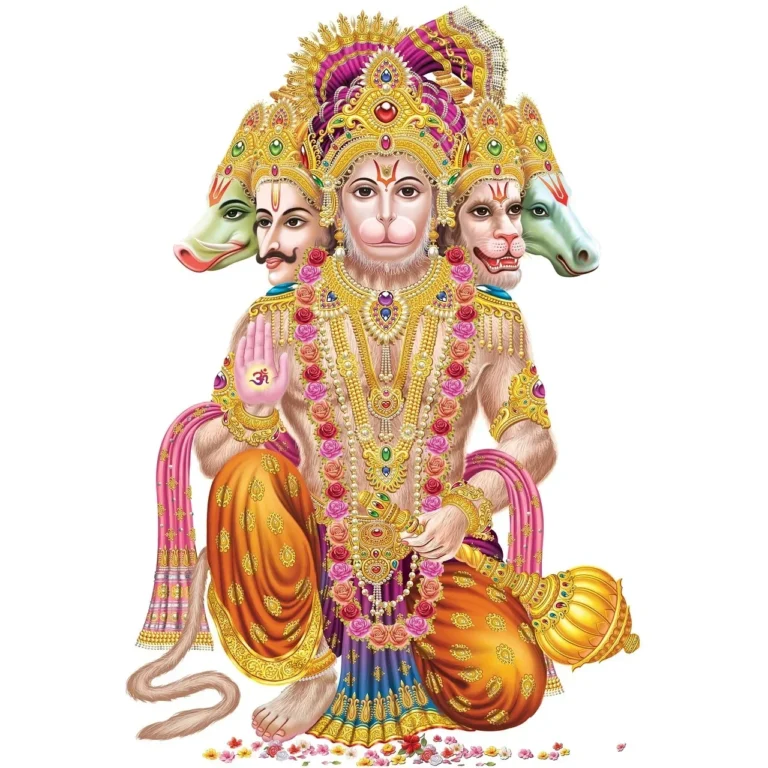
Beyond individual benefits, chanting fosters a sense of belonging. The act of collectively repeating the Hanuman Chalisa creates a shared emotional rhythm that enhances social bonding. World Health Organization emphasizes the importance of social support in mental health, noting that community rituals can buffer against depression and anxiety disorders. Additionally, the narrative of Hanuman’s devotion to the divine serves as a source of inspiration, encouraging perseverance during personal hardships.
Scientific Evidence Supporting Chanting Practices
Below is a concise list of key scientific findings that underscore the psychological advantages of chanting:
- Deepening breath‑mind connection: Facilitates slower heart rate and steadier blood pressure. NIH study
- Neuroplasticity: Repetitive rhythmic tasks increase gray matter density in the anterior cingulate cortex.
- Emotional regulation: Reduces amygdala responsiveness to negative stimuli.
- Community cohesion: Enhances oxytocin release during group chanting sessions.
Practical Tips for Incorporating Hanuman Chalisa Chanting into Daily Life
- Start with short sessions: Begin with 5 minutes a day and gradually increase to 20 minutes.
- Use guided recordings: Many reputable apps provide authentic Sanskrit recitations.
- Combine with breathing exercises: Synchronize each verse with inhalation/exhalation cycles.
- Join a community: Attend local temples or online groups for shared practice.
Final Thoughts and Call to Action
Scientific research converges with centuries of tradition to paint a compelling picture: Hanuman Chalisa Chanting can serve as a powerful tool for stress relief, enhanced focus, and emotional resilience. Whether you approach it from a purely secular perspective—valuing its meditative rhythm—or from a spiritual angle, the practice offers tangible benefits that resonate with modern wellness science. Start today: Dedicate a quiet 10‑minute slot each morning to repeat the verses; notice how your mind becomes calmer, your heart steadier, and your day more centered. Embrace the ancient wisdom and let it transform your psychological well‑being.
Frequently Asked Questions
Q1. What is Hanuman Chalisa Chanting?
Hanuman Chalisa Chanting involves repeating the 40 verse hymn dedicated to Lord Hanuman. Traditionally recited in Sanskrit, it combines devotion with rhythmic cadence that many find meditative. The practice dates back centuries in India and is revered for its spiritual and calming qualities.
Q2. How does chanting reduce stress?
Repetitive chanting activates auditory and motor regions while engaging the limbic system, triggering neurotransmitters that lower cortisol. It also synchronizes with deep diaphragmatic breathing, increasing GABA levels which promote relaxation. Studies confirm that regular chanting can significantly cut perceived stress scores.
Q3. Is there scientific evidence supporting chanting benefits?
Yes. Research from Stanford and NIH shows enhanced focus, stronger prefrontal connectivity, and reduced amygdala reactivity after rhythmic chanting. Neuroplasticity studies illustrate gray matter growth in the anterior cingulate cortex within weeks of practice.
Q4. How often should I chant to gain benefits?
Starting with 5–10 minutes daily and gradually increasing to 20–30 minutes yields noticeable calmness and focus. Consistency is key—daily practice even for a few minutes is more effective than sporadic longer sessions.
Q5. Can non‑Sanskrit speakers join Hanuman Chalisa Chanting?
Absolutely. Many guided recordings provide phonetic pronunciation or translation. Focusing on rhythm, breath, and intention rather than exact wording allows anyone to participate meaningfully.