Maha Shivratri 15 Feb 2026
As the calendar turns, the revered Hindu festival of Maha Shivratri 15 Feb 2026 draws devotees worldwide to celebrate the divine union of mystic energy and cosmic consciousness. This auspicious night, falling on the 15th day of the dark fortnight in the month of Phalguna, marks the culmination of a grueling period of penance, fasting, and devotion. On this special evening, temples across India and diaspora communities ignite with bright lamps, offering chants, and offerings to the mighty Lord Shiva. With over 2 million rituals, it remains one of the most celebrated Hindu festivals, commemorated by millions who seek spiritual purification and divine blessings for good health, prosperity, and inner peace.
What Is Maha Shivratri?
Maha Shivratri, translated as the “Great Night of Lord Shiva,” centers on the mythic legend of Shiva’s cosmic dance, the Tandava, and the union of Shiva with Parvati. It is observed on the thirteenth night and the fourteenth day of the Shiva month in the Hindu lunar calendar, a time associated with fertility, marital harmony, and personal transformation. The lunar alignment, observed on 15 February 2026, is calculated by the Panchang, which guides rituals and timings for fasting, night vigils, and almsgiving. For more details on how Maha Shivratri is chronicled across time, visit the Wikipedia article on Maha Shivratri.
Historical Significance
Scholars trace the origins of Maha Shivratri to ancient Vedic texts and Puranic narratives, echoing the Lord’s worship since the Rig Veda era. The festival echoes the ancient tales recorded in mythology, such as the night when Shiva married Parvati, symbolizing the union of the human soul with the divine. Historically, the night has also been associated with the tradition of performing the Shiva-Parvati marriage rites. The profound religious significance of 15 February 2026 is underlined by a plethora of scriptures that highlight unyielding devotion as a path toward liberation, or moksha. For expert insights on the theological aspects of Maha Shivratri, the Britannica entry provides a scholarly overview: Britannica on Maha-Shivratri.
Key Deities & Symbols
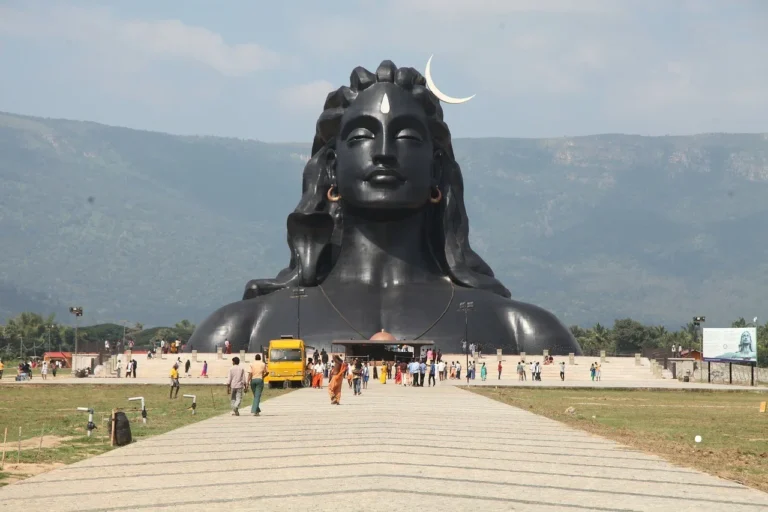
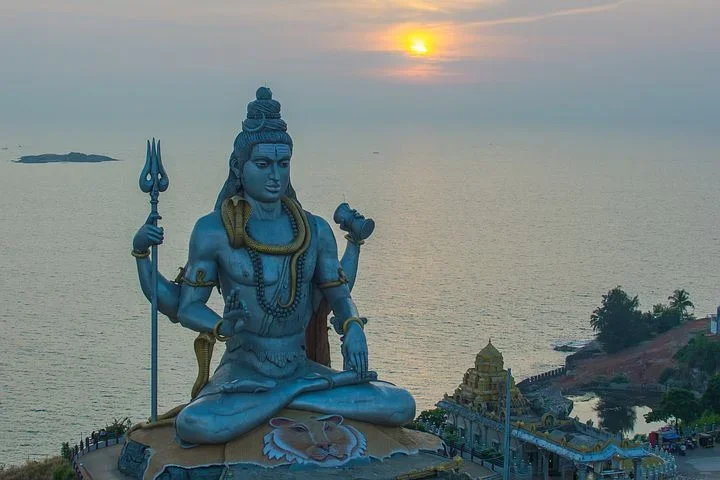
Central to Maha Shivratri is the worship of Lord Shiva, often depicted with a trident (trishula), damaru drum, and the crescent moon. Devotees offer bilva leaves, milk, honey, and Ganga water, symbolizing purification and cosmic humility. The central icon of the festival may change in various traditions, from a serene meditating Shiva to the dancing Shiva of Tandava. On 15 Feb 2026, many temples elaborate elaborate shiva lingam arrangements, experimenting with color motifs that reflect the spiritual aura of the night.
Celebrations & Rituals for 15 Feb 2026
While the core ritual of fasting, night vigil, and chanting remains constant, the 2026 celebrations are expected to feature a blend of modern media and traditional practices. Some highlights for devotees include:
- Morning abhishekam (ritual bath) of the Shiva lingam with holy milk and water.
- Evening fire offerings (havan) led by senior priests.
- Recitation of the Shiv Tandav Stotra to awaken cosmic energy.
- Organized community feasts featuring prasadam for the needy.
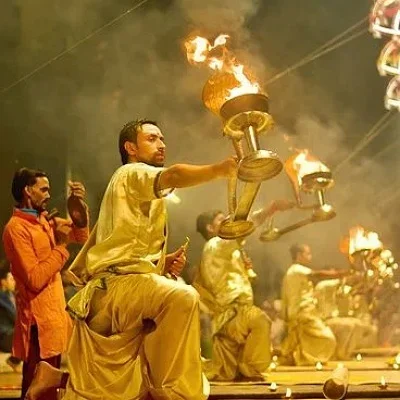
- Nightly arthi sessions accompanied by ancient drums and bells.
The global diaspora, especially on social media, has increasingly adopted digital prasad livestreams, enabling those who cannot attend physically to participate in the night’s sanctification. The National Geographic feature on Maha Shivratri offers insights into ritualistic variations across India that will be echoed on 15 February 2026.
How to Observe Maha Shivratri 15 Feb 2026
1. Plan your fasting: Choose a light yet nutritious meal post‑dawn. Keep the diet simple, focusing on fruits, grains, and milk.
2. Set a vigil: Prepare a quiet space to stay awake all night, chanting verses or listening to devotional music.
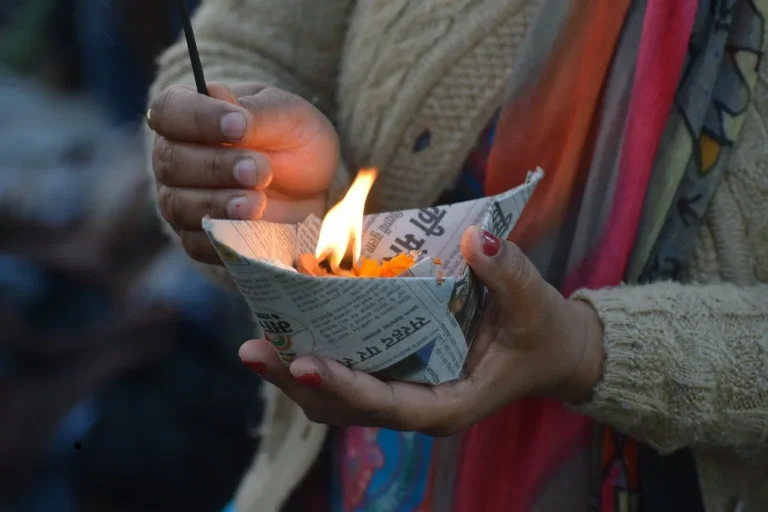
3. Offer the sacred items: Have bilva leaves, honey, and Ganga water ready at a clean, reverent corner.
4. Speak with a local priest: If possible, seek simple guidance tailored to 15 Feb 2026 rituals.
5. Leverage technology: Use livestreams or audio recordings from trusted temples to participate if you cannot travel.
For a comprehensive guide on the Hanumanpur community’s perspective on the festival, the Indian Express retains contextual depth helpful for attending modern-aged devotees.
Conclusion
Engaging in Maha Shivratri 15 Feb 2026 offers an avenue to deepen spiritual insight, practice discipline, and foster communal harmony. Whether you observe a simple night vigil at home or join a thunderous temple ceremony, remember that the essence of this festival lies in devotion, purity, and the inner awakening to the divine rhythm of existence. Embrace the night, reflect on your inner self, and allow the presence of Lord Shiva to guide your journey towards compassion, mindfulness, and renewed purpose.
Take the first step: Book your local temple’s festival schedule and plan your night of devotion today!
Frequently Asked Questions
Q1. What is the significance of Maha Shivratri 15 Feb 2026?
It marks the night Lord Shiva performed the cosmic Tandava dance, symbolizing creation, preservation, and destruction. The date aligns with the lunar dark fortnight, a powerful time for devotion and inner transformation. Devotees seek purification, blessings, and a deeper connection with divine consciousness.
Q2. When is the exact time for the night vigil and abhishekan on that date?
The precise timings vary by location but generally begin at sunset. Most temples start abhishekan around 6 to 7 pm, followed by a continuous vigil until dawn, typically 7 am the next day. Checking your local temple’s schedule in advance ensures you don’t miss early offerings.
Q3. What foods are permissible during fasting on Maha Shivratri 15 Feb 2026?
Common practice allows only fruits, milk, nuts, and dry items like rice or dal. Some traditions include a small meal of dairy or a light broth after dawn. Consuming these foods maintains purity while respecting the fast’s spiritual purpose.
Q4. How can people view the festival if they cannot attend a temple physically?
Many temples live‑stream abhishekan and arati sessions on YouTube and Facebook. Websites like the Hindu Channel and local diocesan channels also offer recorded rituals if live access is limited. These digital streams let devotees observe and participate in real‑time.
Q5. What are common symbolic items offered to Shiva on this night?
Bilva leaves, honey, Ganga water, milk, and sacred ash are standard offerings, each representing purification and devotion. A small lamp or diya is also lit in many homes to symbolize enlightenment. These items together create a fragrant, sacred atmosphere.