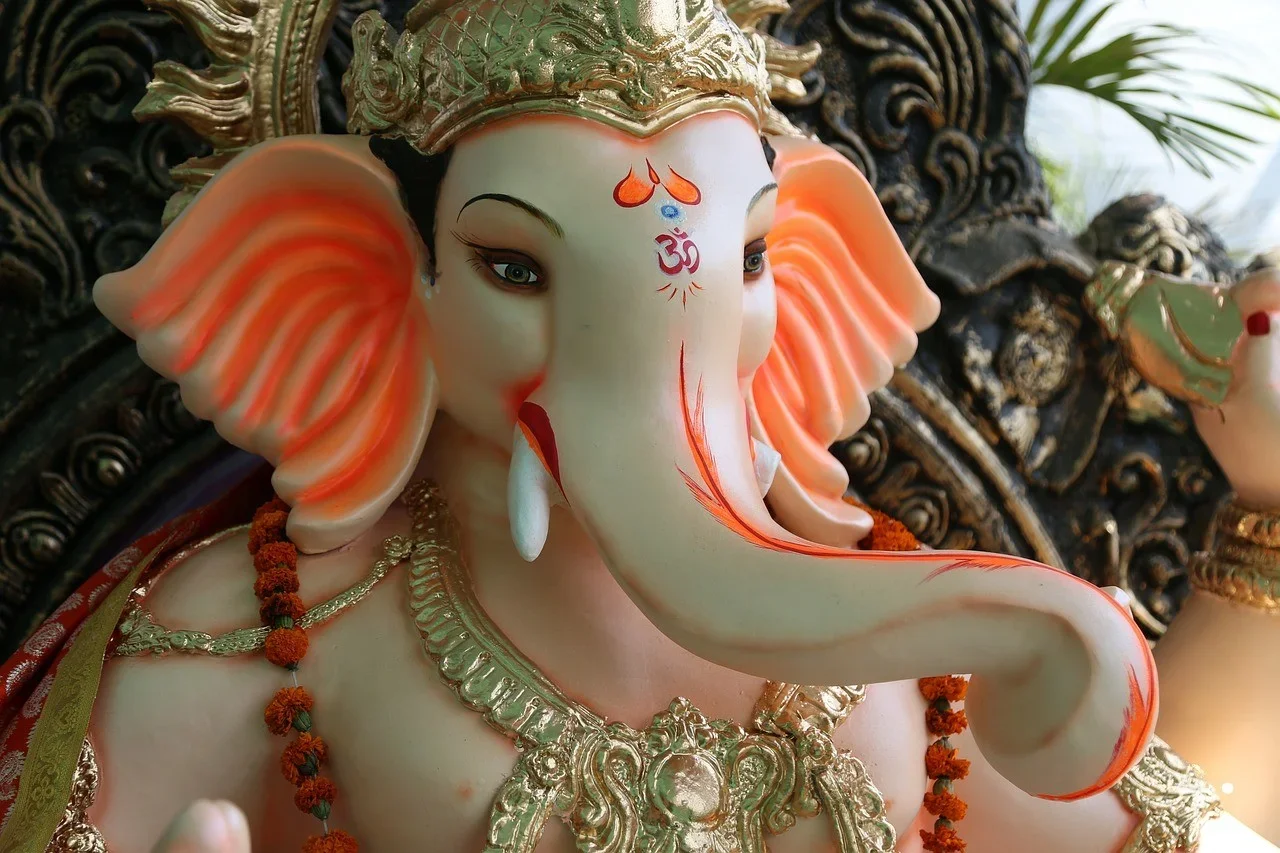
Lord Ganesha Removes Obstacles
Lord Ganesha, the revered remover of obstacles, is one of the most widely recognized deities in Hindu culture. With his elephant head, four arms, and a pot belly that symbolizes abundance, he stands as a powerful emblem of wisdom and strength. Worshipers invoke his blessings to begin new ventures, clear paths, and achieve success. In this article, we explore Lord Ganesha’s origins, iconography, rituals, and his enduring influence on everyday life.
Historical Origins of Lord Ganesha
The earliest depictions of Ganesha have surfaced in leather carvings from the Indus Valley era, though the first clay model emerged around 1500 BCE in the region that is now modern India. According to the Wikipedia Ganesha article, legends narrate that he was created by Parvati, Shiva’s consort, who fashioned him from the sandalwood paste she used to cleanse her body. After a brief but impactful encounter with Shiva, he was named “Ganapati,” meaning “leader of the hosts,” solidifying his role as the guardian of new beginnings.
Textual references in the Britannica Ganesha biography highlight his ascent to prominence in Vedic literature, where he is described as a key deity of wisdom (jnana). By the Gupta period, his narratives blended with regional folklore, spreading across the Indian subcontinent with nuanced variations that still echo today.
Iconic Symbolism and Representation
Lord Ganesha’s form is rich in symbolic meaning—each element conveys a specific lesson:
- Elephant Head: Represents intellect and empathy, qualities necessary to foresee and navigate obstacles.
- Four Arms: Symbolize the ability to manage four aspects of life: thinking, analysis, execution, and reason.
- Broken Tusker: A historical motif often discussed at Hinduwebsite Ganesha Overview, illustrates the willingness to sacrifice comfort for progress.
- Pot Belly: Signifies abundance, the capacity to accept all circumstances while maintaining balance.
In museums and exhibitions worldwide, devotees carefully preserve these features. The National Geographic article documents how Ganesha idols have transcended cultural boundaries to inspire awe and reverence across continents.
Worship Practices and Rituals
Many families greet each day by offering a mangala offer—sacred water, a flower, and a few sweets—believing that Lord Ganesha’s presence immediately dissolves hindrances. The most common ritual, the Ganesh Puja, incorporates a series of structured steps: bathing the idol, chanting mantras, and a ceremonial dough offering called “pindi.” Below is a simplified outline that adheres to traditional Sanskrit chants and specific mudras (hand gestures) to connect with Ganesha’s energies.
- Clean the altar and place the Ganesha idol.
- Light a lamp or incense to purify the space.
- Recite the Ganesha mantra: “Om Gan Ganapati Bappa Maha Lakshmi”.
- Offer sweets like modaks and cow milk to honor his sweetness variable.
- Conclude with a final bow, expressing gratitude for the removed obstacles.
Beyond personal rituals, Lord Ganesha plays a pivotal role in communal festivals such as Ganesh Chaturthi. These celebrations blend devotion with vibrant cultural expressions: processions, brass band fanfares, and communal feasting that reinforce social bonds. The festival’s significance lies in its reminder that overcoming challenges is often a collective journey, not just an individual endeavor.
Impact on Daily Life and Modern Adaptations
The philosophy of Ganesha’s obstacle-removal extends into modern entrepreneurial practices. Startups frequently dedicate the first meeting to Lord Ganesha, seeking assurances that the prototypes, market entry, and scaling strategies will encounter little resistance. Engineers hire; in psychology, he is invoked as a symbol for cognitive flexibility—a reminder to pivot when obstacles arise.
Digital platforms also adapt venerating icons into tangible wearables. Companies sell ethically sourced Ganesha rubbers, sand which aligns with the three return principle—taking, giving back, and seeking balance. Emerging artists incorporate Ganesha’s motifs into contemporary digital prints; these designs are used for motivational posters that remind professionals about the power of removing obstacles.
Interestingly, traditional historians note that Ganesha’s lingering legacy also manifests in educational contexts. Several schools incorporate his teachings into life-skills modules, emphasizing kindness, problem solving, and resilience— the core tools that allow children to navigate complex social environments.
Conclusion: Embrace Lord Ganesha, Embrace Opportunities
Lord Ganesha embodies the universal truth that obstacles can become stepping stones. Whether you’re launching a venture, planning a complex project, or simply seeking to guide your family toward peace, integrating Lord Ganesha’s principles can unlock hidden potentials. By visualizing his elephant head with a smile, you invite clarity, focus, and the courage to face whatever challenges might linger on your horizon.
***Ready to bring the power of Lord Ganesha into your life?*** Explore our curated collection of authentic Ganesha idols and temple supplies—each item crafted with reverence. Invest in a future where every obstacle is only a chance to grow. Shop now and start your journey toward limitless accomplishments.
Frequently Asked Questions
Q1. What does the elephant head of Lord Ganesha symbolize?
Lord Ganesha’s elephant head is a powerful emblem of intellect, wisdom, and the ability to overcome obstacles. The large head means he listens and comprehends even the most complex problems. It also reminds practitioners that thoughtful decision‑making is key to progress. The elephant’s trunk, often extended, signifies the power to navigate the worldly path with awareness.
Q2. How is a typical Ganesh Puja performed at home?
A simple home puja begins by cleansing the altar and placing the Ganesha idol. The next steps involve lighting a lamp or incense, chanting the “Om Gan Ganapati” mantra, and offering sweets like modaks. After the main address, devotees usually sprinkle rice or chutney and end with a bow. This routine is believed to dissolve both spiritual and material hindrances.
Q3. What iconographic elements are commonly seen in Ganesha statues?
Common features include four arms, a broken tusk, a bell, and a pot belly. The four arms hold objects such as a sugar cane, a rosary, a bowl, and a spoon, each representing an aspect of life. The broken tusk emphasizes sacrifice for progress, while the bell signals the removal of rumor and falsehood. Together, these elements depict a balanced, wise deity.
Q4. How is Lord Ganesha used in modern entrepreneurship?
Many startup founders perform a brief invocation of Lord Ganesha before meetings, presentations, or product launches. The deity’s association with problem solving inspires teams to approach challenges creatively. In corporate retreats, the ritual fosters a collaborative mindset and emotional resilience, which can boost innovation and team cohesion.
Q5. When is the best time to worship Lord Ganesha?
While devotees can pray at any time, the dawn period from 5 to 7 a.m. is considered highly auspicious. The gentle light enhances concentration, and Hindus believe that the early morning prayers strengthen the connection. Additionally, the 13th, 14th, or 15th day of the lunar month, as observed during Ganesh Chaturthi, are especially meaningful.