How to Celebrate Shivratri
Shivratri, a major Hindu festival, offers devotees a chance to honor Lord Shiva and deepend their spiritual practice. This article explores traditional rituals, popular customs, and practical ways to observe Shivratri from day one. Whether you live in a temple town or a bustling city, the core essence of Shivratri remains the same: devotion, fasting, and community participation.
1. Understanding Shivratri’s Significance
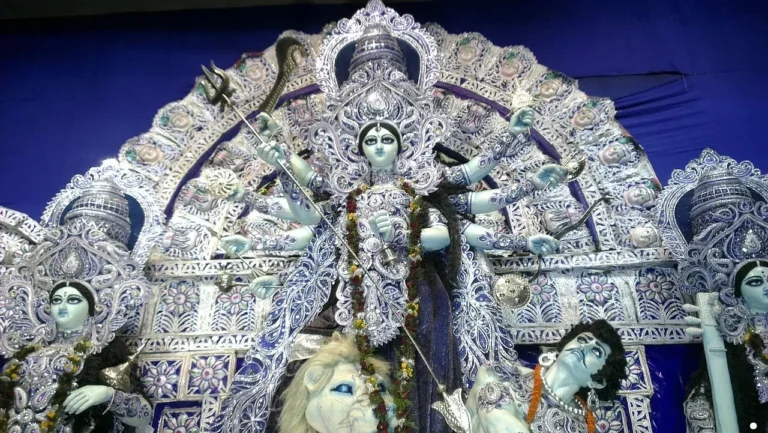
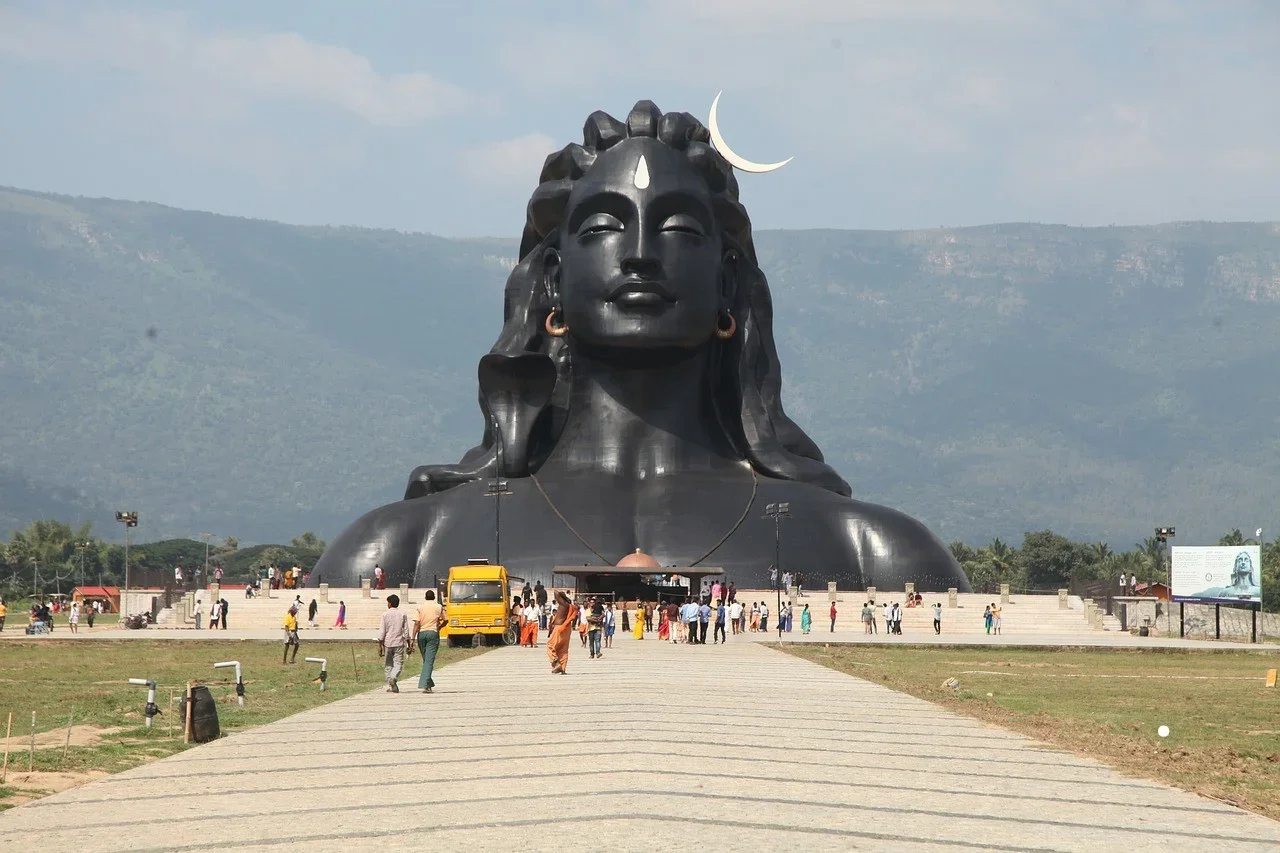
Shivratri, meaning “Night of Shiva,” is celebrated annually on the 13th day of the waxing moon in the Hindu month of Phalguna (usually February or March). It commemorates the cosmic dance (Kali‑Yuga dance) of Lord Shiva, the world’s creator, destroyer, and regenerator. According to Wikipedia, the festival marks various mythological events such as Shiva’s marriage to Parvati and his victory over the demon Bhasmasura.
2. Core Rituals During Shivratri
- Fasting (Kaula‑Kavana): Devotees observe a strict fast, abstaining from grains, sugar, and sometimes even water. The purpose is to purify the body and mind.
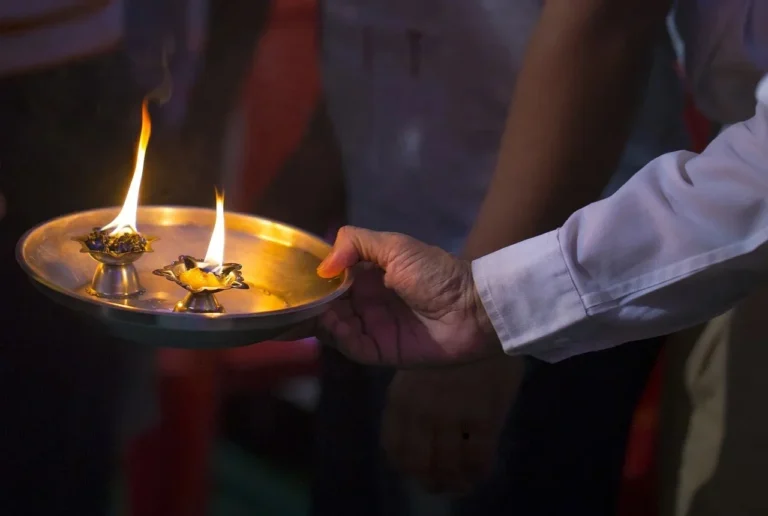
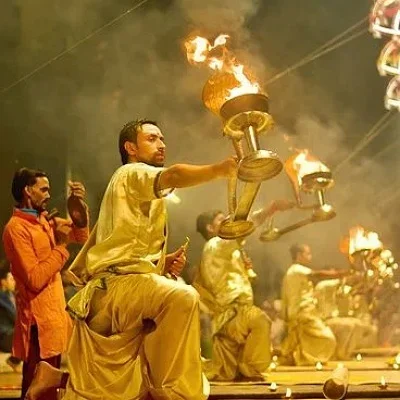
- Night‑Long Vigil: Worshippers stay awake all night, chanting hymns (e.g., “Om Namah Shivay”) and performing aarti (ceremonial lamp dance).
- Offering of Milk & Ghee: Milk, curd, and clarified butter are offered to the Shiva Lingam as a token of gratitude.
- Collective Prayers (Kirtan): In temples and at home, the congregation sings bhajans and prays for peace and prosperity.
- Community Feasts (Prashad): After breaking the fast, families share a simple vegetarian meal blessed by the priest.
3. How to Prepare for a Devotional Shivratri
Preparation is vital for an enriched experience. Here’s a step‑by‑step guide:
- Gather holy items: sandalwood paste, incense, a small bell, and a fragrance light.
- Choose a clean space: A small altar or a corner in your living room can become a focal point.
- Engage in a cleansing ritual (Kumkum and water) to symbolize spiritual purification.
- Plan your fast plan: Decide your fasting limits—whether it’s a full fast or a lighter scripturs (milk and fruits only).
- Schedule community activities: Check local temple notices for night‑time aarti or bhajan sessions.
4. Modern Adaptations & Inclusive Celebrations
Contemporary communities have embraced innovative ways to honor Shivratri while respecting tradition. Many diaspora groups, including those in the United States and Canada, host outdoor vigils and cultural festivals that integrate music, dance, and storytelling. The Council of Priests (a reputable body) encourages the sharing of rituals across religious lines, fostering interfaith dialogue and mutual respect.
In modern urban settings, some temples provide pre‑shipped anahi (food pack) options for fasting devotees. Organizing a virtual aarti via video call also allows families spread out by distance to partake in the symbolic lamp lighting together.
5. Side Activities: Celebrating with Culture
Beyond worship, Shivratri is a cultural jamboree. Popular traditions include:
- Dance performances representing myths such as the Hindu saint’s battle with demons.
- Drama reenactments of Lord Shiva’s cosmic dance in local community halls.
- Art exhibitions focusing on sacred geometry and mandalas that detail the lingam’s spiritual symbolism.
- Cooking classes on vegetarian cuisine that aligns with fasting guidelines.
Inclusion of Athletes and Youth
Many regional festivals host a “Shaurya Sangam” (valor gathering) that includes sporting events like kabaddi and archery, symbolizing the battle against temptation. Youth clubs often organize an “Ekadashi Marathon,” encouraging the community to stay awake and active in worship.
Conclusion
Shivratri serves as a powerful reminder of renewal, discipline, and unity. By observing fasting rituals, staying awake, and engaging in communal prayers, you connect deeply with ancient wisdom while acknowledging modern life’s pace. Whether you join the timeless vigil in a temple courtyard or celebrate at home with family, the essence of Shivratri remains in devotion, self‑reflection, and celebration of the eternal divine.
Embrace Shivratri fully—prepare, participate, and share the blessings. For more insights into Hindu traditions and fasting techniques, explore official educational resources or visit local temples.
Frequently Asked Questions
Q1. What is the significance of Shivratri?
Shivratri, meaning “Night of Shiva,” commemorates Lord Shiva’s cosmic dance, his marriage to Parvati, and victories over demons. It is a deep spiritual observance that encourages devotion, fasting, and self‑reflection among Hindus worldwide. The festival marks the renewal of creation, destruction, and regeneration, central to Hindu cosmology.
Q2. How should I prepare for a Shivratri fast?
Begin by cleaning your home and gathering sacred items like sandalwood paste, incense, and a small bell. Decide whether you’ll observe a strict fast, a light consumptive fast, or a water‑only fast based on your health. Plan meals before and after the fast, and schedule time for night‑long vigil or aarti sessions.
Q3. Can I observe Shivratri if I live in a city?
Yes. Many city temples host night‑long vigils, virtual aarti, and community feasts. You can also set up a personal altar at home, join local temple groups through social media, or organize a virtual gathering with family and friends to light lamps together.
Q4. What are the key rituals performed during Shivratri?
The main rituals include fasting, chanting of “Om Namah Shivay,” offering milk, ghee and curd to the Lingam, performing aarti, and singing kirtan. After breaking the fast, devotees share a simple vegetarian prashad, symbolizing communal gratitude. These rituals reinforce purity, devotion, and unity.
Q5. Are there modern adaptations that respect tradition?
Modern celebrations often incorporate outdoor vigils, cultural festivals, and interfaith dialogues. Community kitchens might provide pre‑shipped fasting food packs, while virtual aarti allows families to participate across distances. These adaptations preserve the core values of devotion while embracing contemporary life.