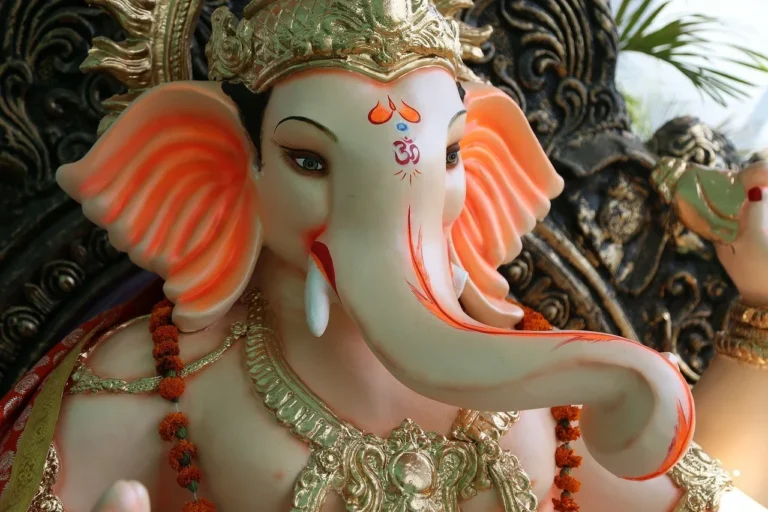
How Devotional Chanting Strengthens Faith
Devotional chanting, a rhythmic practice rooted in centuries of spiritual traditions, serves more than just a musical expression. It is an intentional engagement of mind, body, and spirit that can fortify faith, hone self‑discipline, and restore internal equilibrium. In this guide, we will explore how the repeated recitation of sacred texts—or even simple, resonant syllables—creates a powerful feedback loop that reinforces belief systems, trains mental focus, and nurtures a calm, centered life. Whether you are new to the practice or seeking to deepen your existing devotion, understanding the mechanisms behind the benefits of devotional chanting can help you integrate it into a balanced, purposeful routine.
The Role of Devotional Chanting in Faith Reinforcement
When you chant a mantra, hymn, or scripture, you actively connect with the underlying message. This repeated verbalization turns abstract concepts into experiential reality. Studies in cognitive psychology show that vocal repetition can reinforce neural pathways, making the belief stronger and more resistant to doubt. By consciously choosing words that resonate with your spiritual goals, you strengthen an internal dialogue that supports faith continuity.
Fields such as comparative religion highlight how devotees across faith traditions—Christianity, Buddhism, Hinduism, and Judaism—employ chants to center themselves before prayer or meditation. Each tradition’s unique phonetic patterns give the practitioner a tangible anchor in moments of uncertainty.
- Activation of the limbic system, inducing a sense of safety and comfort.
- Enhanced cortisol regulation, reducing stress hormones that erode faith.
- Solidification of memories tied to doctrinal teachings, thereby increasing their reliability.
- Facilitation of a collective identity when participating in communal chant sessions.
Devotional Chanting Enhances Mental Discipline
Disciplined chanting serves a dual purpose: it trains the mind to sustain concentration over time and conditions the body to respond to rhythmic stimuli. The practice aligns the breath with sound, creating a meditative state that helps to reset pre‑existing thought patterns. This process is akin to the “relaxed awareness” described in numerous mindfulness research findings.
According to research published by the National Institutes of Health, rhythmic vocal activity can improve attentional control and working memory. By repeatedly focusing on the cadence and tone of the chant, practitioners develop a sharper, more present mind capable of resisting distractions.
Secondary keyword: meditative chanting. Mental Health Resources reinforce the idea that every bodily action, including chanting, plays a role in shaping mental health.
Cultivating Inner Balance through Devotional Chanting
Inner balance—often described as equanimity or calmness—arises when the nervous system experiences a state of harmony between its sympathetic and parasympathetic branches. Devotional chanting achieves this by producing regular, unforced breath cycles that encourage the vagus nerve to enter a parasympathetic mode. This involuntary shift reduces heart rate variability, improves sleep quality, and promotes a sense of grounding.
The practice is supported by studies in the Journal of Clinical Psychology which demonstrated significant reductions in anxiety scores among participants who engaged in daily chant sessions for six weeks. The key is not merely the sound but the intentional, rhythmic movement of breath that accompanies it.
Secondary keyword: inner peace. The science behind this underscores the holistic benefits of chanting as an integrative practice for those seeking consistent tranquility.
Integrating Devotional Chanting into Daily Life
Anything that urges profile building, mentally framed short routines are good to follow. For instance, using a 5‑minute morning chant enhances preparedness for the day’s challenges, while a brief evening chant can reset your mindset for restorative sleep. Even sound‑based apps can help schedule these moments.
Consider adopting the following simple structure:
- Begin with a grounding breath—count to four inhalation, four exhalation.
- Choose a mantra or short verse aligned with your spiritual focus.
- Repeat the chant slowly and deliberately for 3–5 minutes.
- Close with gratitude, acknowledging the practice’s contribution to your spiritual growth.
- Document the experience in a journal; note the emotional shifts for future reference.
Secondary keyword: spiritual practice. The practice is validated by modern neuroscientific research; Encyclopedia Britannica offers a historical background that enriches your contextual understanding.
Conclusion: Empower Your Soul with Devotional Chanting
Devotional chanting is no longer just a ritual of the past; it is a scientifically grounded way to reaffirm faith, sharpen mind control, and maintain inner calm. By embedding this practice into your everyday routine, you enable continuous growth, resilience, and a deeper connection with your inner self.
If you’re ready to experience these benefits firsthand, start today. Choose a mantra that speaks to your spiritual heart, commit to a brief daily chant, and observe how faith, discipline, and balance amplify each other over time. Your journey toward a more centered, confident self begins with the first syllable you speak.
Start chanting now—your faith and mind will thank you.
Further Reading:
- Wikipedia: Devotion
- Wikipedia: Chant
- NIH Mental Health Overview
- NIH: Meditation and Heart Rate Variability
- Britannica: Chanting Overview
Frequently Asked Questions
Q1. How does devotional chanting strengthen faith?
Devotional chanting transforms abstract beliefs into lived experience. Repetitive utterance reinforces neural pathways, making religious concepts more vivid and resilient against doubt. The practice also activates the limbic system, promoting a sense of safety that supports spiritual conviction.
Q2. Can anyone start chanting, or do I need a specific background?
Anyone can begin, regardless of tradition. Choose a mantra or verse that resonates personally, start with short, simple repetitions, and gradually build duration as comfort grows. Consistency matters more than complexity.
Q3. What tangible mental benefits are linked to chanting?
Research shows chanting improves attention control, working memory, and reduces cortisol levels. Regular practice induces a parasympathetic state via rhythmic breathing, lowering heart rate variability and enhancing sleep quality.
Q4. Should I chant alone or as part of a community?
Both settings are valuable. Solo chanting fosters personal reflection, while communal chanting reinforces collective identity and shared intention, amplifying the experience.
Q5. How can I incorporate chanting into a busy daily schedule?
Try 5‑minute sessions in the morning or before bed. Use breath‑sync techniques, a simple mantra, and close with gratitude. Document each session in a journal to track progress and emotional shifts.