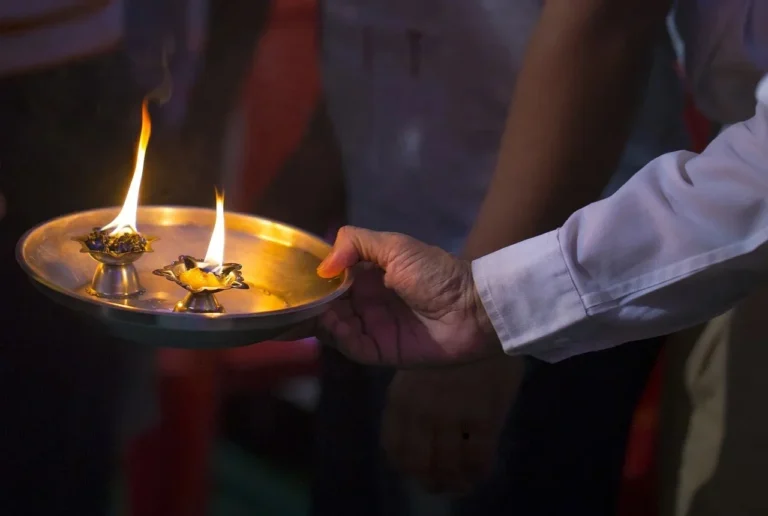
Goddess Mantras for Healing
Goddess Mantras have long been celebrated as powerful tools for guiding the soul toward emotional healing and heightened confidence. Rooted in ancient traditions, these chants echo the divine feminine wisdom that transcends cultural boundaries and speaks directly to the heart. By integrating Goddess Mantras into daily practice, seekers can unlock hidden reservoirs of resilience and rediscover the inner strength that fuels self‑belief. This guide explores the unexpected benefits of these sacred sounds and offers practical steps to weave them seamlessly into your wellness routine.
Ancient Roots of Goddess Mantras
In Sanskrit, the word *mantra* literally means “mosaic of sounds.” It denotes a cyclical vibration that can realign the mind’s patterns and reframe emotional narratives. Goddess Mantras, which invoke deities such as Kali, Lakshmi, or Saraswati, harness this vibrational power to address roots of trauma, self‑doubt, and fear. The practice is supported by research on sound healing and neuroplasticity, which shows that rhythmic chanting shapes neural pathways that favor calm and confidence Neural Foundations of Chanting. By looping these ancient phrases, practitioners tap into ancestral channels that transcend individual experience.
How Goddess Mantras Influence Emotional Well‑Being
Emotional healing is fundamentally about rewiring how the brain processes stress and trauma. Goddess Mantras engage the parasympathetic nervous system, stimulating the production of serotonin and GABA—chemicals that soothe the mind and elevate mood. When chanting a mantra dedicated to *Gauri*, for example, the vibration resonates with the heart chakra, encouraging empathy and self‑love. Studies on meditation and chanting demonstrate reduced cortisol levels, a clearer sense of safety, and improved emotional regulation Harvard Health: Joyful Meditations. These physiological shifts create a fertile ground for personal growth.
Cultivating Confidence Through Chants
Confidence is more than a surface feeling; it reflects a deep sense of internal worth. By repeating mantras that honor the *inner goddess*, practitioners reinforce the neural circuitry that maps success and self‑efficacy. The mantra “Om Shreem Mahalakshmi Namaha” not only redirects negative thoughts but also activates the body’s own *prana* energy—fuel for bold action. Embracing a divine affirmation cultivates a state of “inner dialogue” where the self‑talk becomes empowering rather than judgmental. Long-term practice has been linked to increases in self‑esteem scores comparable to cognitive behavioral therapy interventions Mayo Clinic: Meditation and Confidence.
Practical Integration into Daily Life
Incorporating Goddess Mantras is as simple as setting aside a few minutes each day. Here are three actionable steps to create a sustainable ritual:
- Morning Alignment – Begin your day with a short chant while breathing deeply. Focus on the sound, letting the vibration settle into your breath to anchor calm.
- Mid‑Day Reset – During a lunch break or a five‑minute pause, bring the mantra to mind. Even silent repetition can recalibrate focus and mitigate stress spikes.
- Evening Reflection – End by chanting an affirmation that reflects gratitude and confidence. This wrap‑up aligns the heart chakra, allowing restful sleep and regenerative energy.
Use guided audio resources from reputable platforms or recordings produced by certified shamanic practitioners. Consistency is critical: the more regularly you repeat the chant, the deeper the neurobic pattern that underlies emotional resilience.
Scientific Insight into Chanting and Hormonal Balance
Emerging neuroscience highlights the role of sonic frequencies in hormonal regulation. When the human organ system is exposed to rhythmic stimuli, the endocrine system synchronizes, redirecting energy from counterproductive pathways to nurturing ones. The rhythmic repetition of a goddess mantra can advance the production of oxytocin—often dubbed the “bonding hormone”—and the reduction of adrenaline Chanting and Hormonal Balance. This hormonal shift adds a biochemical layer to the emotional and psychological gains of the practice.
Community and Shared Wisdom
While the individual experience of Goddess Mantras is unmistakable, community support amplifies transformation. Online forums, local circles, or group chanting sessions foster a sense of belonging that further solidifies confidence. When sharing a mantra in a circle, the collective vibration amplifies the frequency, creating wave‑like energy that draws in shared intention and support. Communities centered on goddess worship, such as the Pan‑Indian Women’s Collective or the International Gaudi Network, provide a platform for exchange and devotional practice.
Final Thoughts: Unlock Your Inner Divine
Goddess Mantras serve as a bridge between ancient feminine energy and modern psychological resilience. Whether you seek emotional healing, confidence, or simply a profound connection to the sacred feminine, the chant offers a tangible, science‑backed tool. Begin today with a single mantra; commit to the rhythm, and let your heart open to the transformative power that lies within. Embrace your goddess, and let confidence blossom.
Frequently Asked Questions
Q1. What are Goddess Mantras and how do they work?
Goddess Mantras are sacred chants dedicated to divine feminine energies such as Kali, Lakshmi, and Saraswati. They harness rhythmic vibrations that influence neuroplasticity, calming the nervous system and reprogramming negative thought patterns. Through repeated chanting, practitioners experience emotional release, increased serotonin, and a stronger sense of inner purpose. The mantra’s sound frequency can resonate with specific chakras, reinforcing emotional balance.
Q2. How often should I practice Goddess Mantras for best results?
Consistent practice is key, even if it’s just a few minutes a day. Starting with 5–10 minutes daily gradually builds neural pathways for lasting calm. Some practitioners find a 3‑minute morning chant and a 2‑minute evening reset most effective. Using guided audio or a mantra‑reminder app can help maintain a regular cadence.
Q3. Do I need a specific chant or can I create my own mantra?
While traditional mantras like “Om Shreem Mahalakshmi Namaha” are widely used, you can create a personal mantra that reflects your intention. Keep it concise, rhythmic, and rooted in a divine or empowering word. Personalizing your chant can deepen emotional resonance, but ensure it remains harmonious and repeatable. Testing pain points vs. positive affirmations helps fine‑tune the mantra’s effectiveness.
Q4. Are there any health risks or contraindications for chanting?
Chanting is generally safe for most people, but those with severe auditory disorders should consult a professional before prolonged sessions. Individuals with uncontrolled epilepsy or severe anxiety might experience sensitivity to sound frequencies; in such cases a lower volume or guided meditation is advisable. If you feel light‑headed or dizzy, pause practice and seek medical counsel. Overall, gentle breathing and mindful attention mitigate any adverse effects.
Q5. How can I integrate Goddess Mantras into a busy lifestyle?
Incorporate short, intentional chants into daily rituals—during morning coffee, lunch breaks, or before bed. Use auditory cues such as a phone timer or a playlist to remind you. Pair chanting with other practices like gratitude journaling or restorative yoga for a compounded effect. Even silent repetition during commutes can refocus energy and reaffirm confidence.