How Daily Chalisa Transforms Mind
Daily Chalisa reciting, the ancient devotional hymn dedicated to Lord Vishnu, has been embraced by millions as a pathway to inner peace and holistic well‑being. When sung with devotion every day, this simple ritual can alter the very fabric of the mind, the laws of karma, and the flow of personal energy. In this article we will explore the science behind these transformative effects, share practical steps to incorporate Chalisa into your routine, and explain why this practice can become a cornerstone of a mind‑ful, energetically balanced life.
Chalisa: A Bridge Between Mind and Karma
The concept of karma, often described as the effect of one’s actions, is deeply intertwined with intention and consciousness. Reciting the Chalisa daily aligns one’s thoughts with mindful intention, fostering positive behavioral patterns that ripple outward in the environment. Research on meditation indicates that consistent sound‑based practices can restructure neural pathways associated with emotional regulation and decision making, thereby subtly steering karmic outcomes toward positivity.
Studies by the Mayo Clinic demonstrate that regular chanting or rhythmic speech enhances the release of neurotransmitters such as serotonin and dopamine, which improve mood and decision quality—key elements in creating favorable karma.
Daily Chanting and Energy Alignment
From a Vedic perspective, every utterance carries vibration, and the Chalisa’s verses sync with the body’s subtle energy centers, or chakras. Meditation science tells us that tuning into those vibrations leads to a measurable increase in heart‑rate variability (HRV), a marker of autonomic flexibility and energetic health. Nature reports that HRV improvements correlate with reduced stress and increased resilience—qualities essential for sustaining energetic balance.
In practical terms, the rhythmic flow of the Chalisa serves as a natural cue for breath control, encouraging diaphragmatic breathing that naturally lowers cortisol levels. Over time, this breathing pattern reinforces a calm yet alert state, a critical prerequisite for sustaining a high frequency of positive energetic output.
Science‑Backed Benefits of Daily Chalisa Recitation
Below is a concise list of the scientifically supported advantages of incorporating this devotional practice into your daily routine:
- Enhanced mental clarity via dopaminergic regulation.
- Reduced anxiety and depression symptoms through increased HRV.
- Improved sleep quality by synchronizing circadian rhythms with chanting patterns.
- An accelerated healing response due to elevated endorphin release.
- Greater social connectedness when shared within community initiatives.
How to Start Chaliselling: Practical Steps for Beginners
While it may seem mysterious, the process of reciting the Chalisa each day is straightforward. Follow these steps to embed the practice seamlessly into your life.
- Choose a Consistent Time. If you are a morning person, try chanting right after waking up. Post‑work, a 10‑minute session before dinner works well.
- Grab a Sacred or Personal Text. The Wikipedia entry provides a reliable source to download the verses. You can also use a handwritten or printed version for a tactile connection.
- Use a Monochrome Audio or Live Speaker. The audio track in the Britannica overview contains authentic renditions; however, personal recitation encourages internal focus.
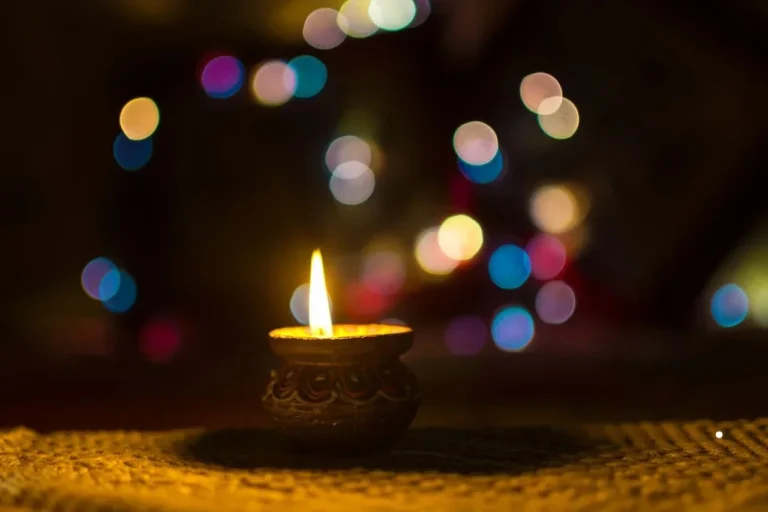
- Set a Quiet Space. Dim the lights, place a small incense or candle, and hold a bowl of water for a meditative backdrop.
- Maintain a Journal. Record your feelings before and after each session, noting any shifts in mood or energy levels.
Integrating Chalisa into Daily Rituals
Incorporating a daily chant does not demand a profound time commitment. Many devotees seamlessly weave the 16‑minute Chalisa into their existing routines:
- While commuting: the verses can be slipped into the comfort of a car or train cabin.
- During your lunch break: a quick pause to chant can reset the remainder of the day.
- As a part of evening wind‑down: repeating the Chalisa during tea or before bed enhances mental closure.
By treating the chant as a purification or recharge, each repetition becomes a tangible reminder of intent, which in turn nurtures the energetic aspect of the body and mind.
Conclusion: Experience the Transformation Today
Daily Chalisa recitation is more than a cultural ritual; it is a scientifically underpinned pathway that enhances mental health, tunes personal karma, and rebalances subtle energies. If you have struggled with stress, decision fatigue, or a lack of spiritual meaning, the structured rhythm and profound wording of the Chalisa can be a catalyst for sustained transformation. Embrace the chant with intention, observe the subtle shifts, and allow the harmonic vibrations to weave through every facet of your life. Start your daily Chalisa practice now—listen, breathe, and feel the change in your mind, karma, and energy.
Frequently Asked Questions
Q1. What is the Chalisa and why is it significant for mental well‑being?
The Chalisa is a 16‑verse hymn dedicated to Lord Vishnu, traditionally sung daily to promote harmony and mental clarity. Its rhythmic pattern acts as a meditative aid, soothing the nervous system and fostering positive thought patterns. Over time, chanting regularly can help reduce stress and improve emotional regulation, leading to a calmer state of mind.
Q2. How often should I recite the Chalisa to see benefits?
Consistent daily chanting—even a single 16‑minute session—has been shown to produce noticeable shifts in mood and energy. For beginners, starting with a few minutes once a day and gradually increasing helps establish a lasting routine. The key is regularity rather than duration.
Q3. Can I chant the Chalisa while multitasking, such as during commute?
Yes, the rhythmic nature of the Chalisa makes it portable. Listening to an audio recording or reciting mentally while commuting can still provide the calming effect, though intentional verbal chanting often yields stronger benefits. The most important aspect remains active participation with focus.
Q4. Does chanting the Chalisa require prior religious knowledge or can anyone start?
Anyone can begin. The chant is primarily a verbal rhythm; no deep theological knowledge is needed. One can start with a printed copy or an audio track, gradually internalizing the verses and their uplifting impact.
Q5. Are there specific times of day that are best for chanting the Chalisa?
Early morning and evening are traditionally favored because the body’s circadian rhythm aligns well with rhythmic sound. However, any quiet moment—breaks during work, before bed—can serve as a useful time to chant, as long as the environment supports focus and tranquility.