Chalisa for Peace And Prosperity
In a world where the stresses of daily life swirl like a storm, many seekers turn to ancient traditions for solace, abundance, and harmony within the family. A Chalisa – a 40‑verse devotional hymn – offers a powerful, rhythmic invocation that connects heart, mind, and spirit. By choosing the right Chalisa, you not only invite peace and prosperity into your life but also nurture love, understanding, and unity among loved ones. Whether you’re a novice or a seasoned devotee, this guide will help you pick the most fitting Chalisa to meet your spiritual goals.
What Is a Chalisa? Introducing The Pilgrimage of Verse
A Chalisa, rooted in Bhakti tradition, is a concise, devotional composition typically consisting of 40 stanzas that praise a deity’s virtues. The rhythmic structure makes it ideal for memorization, chanting, and meditation. Over centuries, various deities have their own Chalisa – from the beloved Rama‑Chalisa to the compassionate Krishna‑Chalisa – each offering a unique prayer experience.
The importance of a Chalisa goes beyond simple recitation. Research in neuroscience shows that repetitive chanting can shift brain waves toward calmness and heightened attention, fostering a sense of emotional stability. By mapping onto a spiritual context, a Chalisa brings mental tranquility while strengthening communal identity and shared values within families.
Chalisa for Peace, Prosperity, and Family Harmony
Among the most popular Chalisa selections for those seeking equilibrium, two stand out due to their emphasis on inner peace, financial well‑being, and familial wellbeing: the Aditya Chalisa and the Laxmi Chalisa. Both carry a gentle cadence, encouraging focus on the present moment and gratitude.
- Aditya Chalisa – Focus on the Sun deity, symbolizing clarity, illumination, and self‑agency. Its verses invite clarity in decision‑making and resilience in times of uncertainty.
- Laxmi Chalisa – Devoted to Lakshmi, the goddess of wealth and abundance. Reciting this Chalisa is linked with better financial stewardship and nurtures a sense of shared abundance within the household.
- Hanuman Chalisa – Often used for protection, well‑being, and result‑focused endeavors. Though not directly wealth, the prayer’s emphasis on unwavering devotion strengthens confidence in collaborative endeavors.
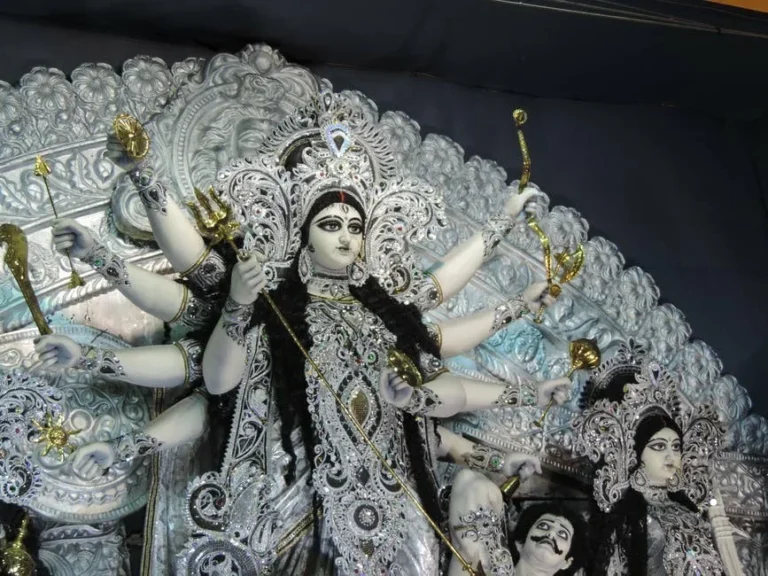
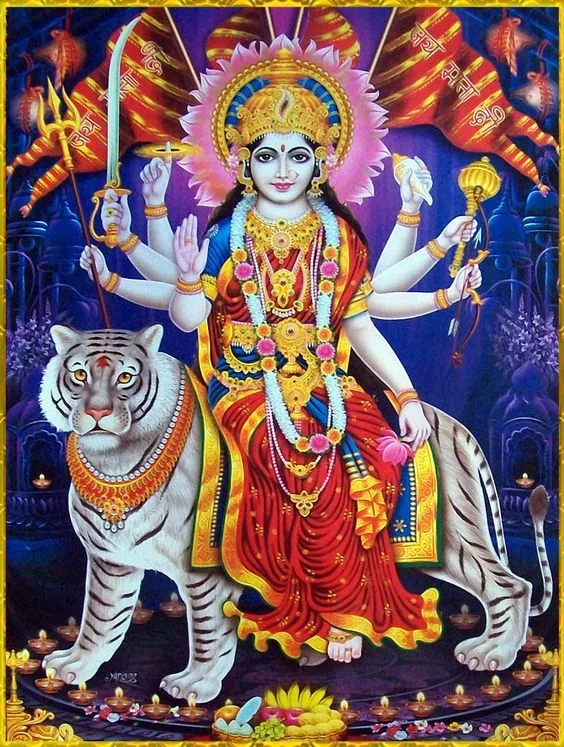
- Durga Chalisa – Ideal for families facing collective challenges. Its verses reinforce resilience, unity, and victory over internal or external obstacles.
Choosing the right Chalisa is akin to selecting a key for your spiritual lock. Some families find the calm rhythm of the Aditya Chalisa best for nightly reflections, while others lean toward the more ablution‑oriented Laxmi Chalisa during financial planning sessions. If the target is harmonious collaboration, the Hanuman Chalisa offers intuitive guidance for group tasks and mutual support.
Daily Chanting Rituals: How to Integrate Chalisa Into Your Life
Effective chanting requires consistency and intention. Below is a simple, adaptable schedule:
- Morning Invocation (5–10 minutes) – Begin each day by speaking or listening to the Laxmi Chalisa to invite renewed purpose.
- Midday Reflection (3–5 minutes) – Pause for a short breath and silently repeat the Aditya Chalisa to recenter amidst the day’s demands.
- Evening Family Recitation (10–15 minutes) – Gather around a simple altar or a room of quiet to chant the Hanuman Chalisa together, sharing family thoughts and hopes.
- Nightly Gratitude (5–7 minutes) – Finish the day with the Durga Chalisa, expressing gratitude for daily blessings and united resilience.
Patience, patience, and patience. Consistent daily practice nurtures the pathway in the brain that associates chanting with decreased anxiety, while the family bond strengthens with shared intent. You may also integrate audio recordings or hum the verses in sync with your own pulse for deeper retention.
Choosing the Right Chalisa: A Quick Reference Guide
It can be challenging to decide which Chalisa to integrate. Consider these questions to make an informed choice:
- What is your primary intention? “Peace and calm?’ Focus on the Aditya Chalisa. “Wealth or abundance?’ Choose the Laxmi Chalisa. “Unified family harmony?’ The Durga Chalisa offers collective resilience.
- Do you need protection or motivation? “Strong determination?’ The Hanuman Chalisa is a universal ally.
- How does the pace of the hymn resonate with you? “Gentle cadence?’ Select the Aditya Chalisa. “Energetic rhythm?’ The Hanuman Chalisa or Durga Chalisa invigorates.
- Can you link the verses to modern practices? “Mindful budgeting?’ Use the Laxmi Chalisa. “Conflict resolution at home?’ Engage the Durga Chalisa.
Remember: each Chalisa is a living artifact; the one that truly resonates is often the one that whispers directly to your inner compass. In that sense, personal experience becomes a trustworthy guide.
Conclusion: Embrace Spiritual Alignment Today
By weaving a chosen Chalisa into your daily rhythm, you do more than recite a prayer—you foster a nuanced consciousness that rewards clarity, abundance, and love within the family circle. If you’d like to start right now, try chanting the Aditya Chalisa audio with a soft candle light and feel the shift.
Frequently Asked Questions
Q1. What is a Chalisa?
A Chalisa is a 40‑verse devotional hymn used primarily in the Bhakti tradition to praise a deity. Each stanza is rhythmic, making it easy to memorize, chant, or meditate on. The repetitive structure is believed by many to promote calmness, focus, and a deeper sense of spiritual connection.
Q2. Which Chalisa is best for achieving peace and prosperity?
For peace, the Aditya Chalisa is prized for its bright, clarifying cadence. For prosperity, the Laxmi Chalisa is often chosen because it praises the goddess of wealth and abundance. Combining both can reinforce financial wellbeing while maintaining peace of mind.
Q3. How often should I chant a Chalisa to see benefits?
Consistent daily practice yields the most noticeable results. Aiming for 5–10 minutes in the morning, 3–5 minutes at midday, and 10–15 minutes in the evening keeps the rhythm steady and deeply ingrained. The exact timing can be adjusted to fit your schedule.
Q4. Can I mix Chalisa chanting with other spiritual or mindfulness practices?
Absolutely. Many people combine chalisa with breathing exercises, gratitude journals, or simple meditation stretches. The key is to maintain focus on the verses while also grounding yourself in your everyday surroundings.
Q5. How do I choose the right Chalisa for my family’s needs?
Start by identifying the main intention: peace, financial growth, protection, or unity. Then match that focus to the corresponding deity’s Chalisa: Aditya for clarity, Laxmi for wealth, Hanuman for strength, and Durga for collective resilience. Listening to recordings or reading the text can help you feel which one resonates most.